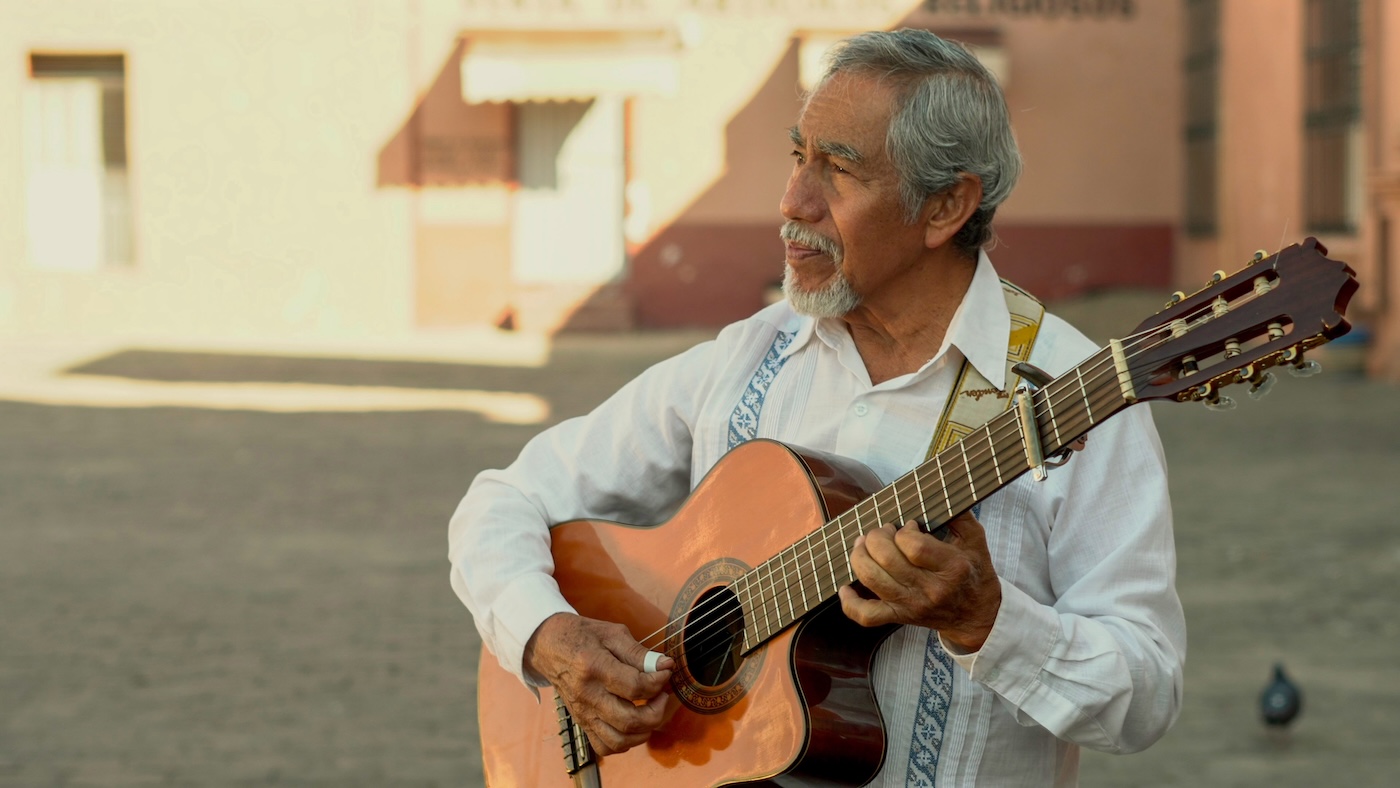
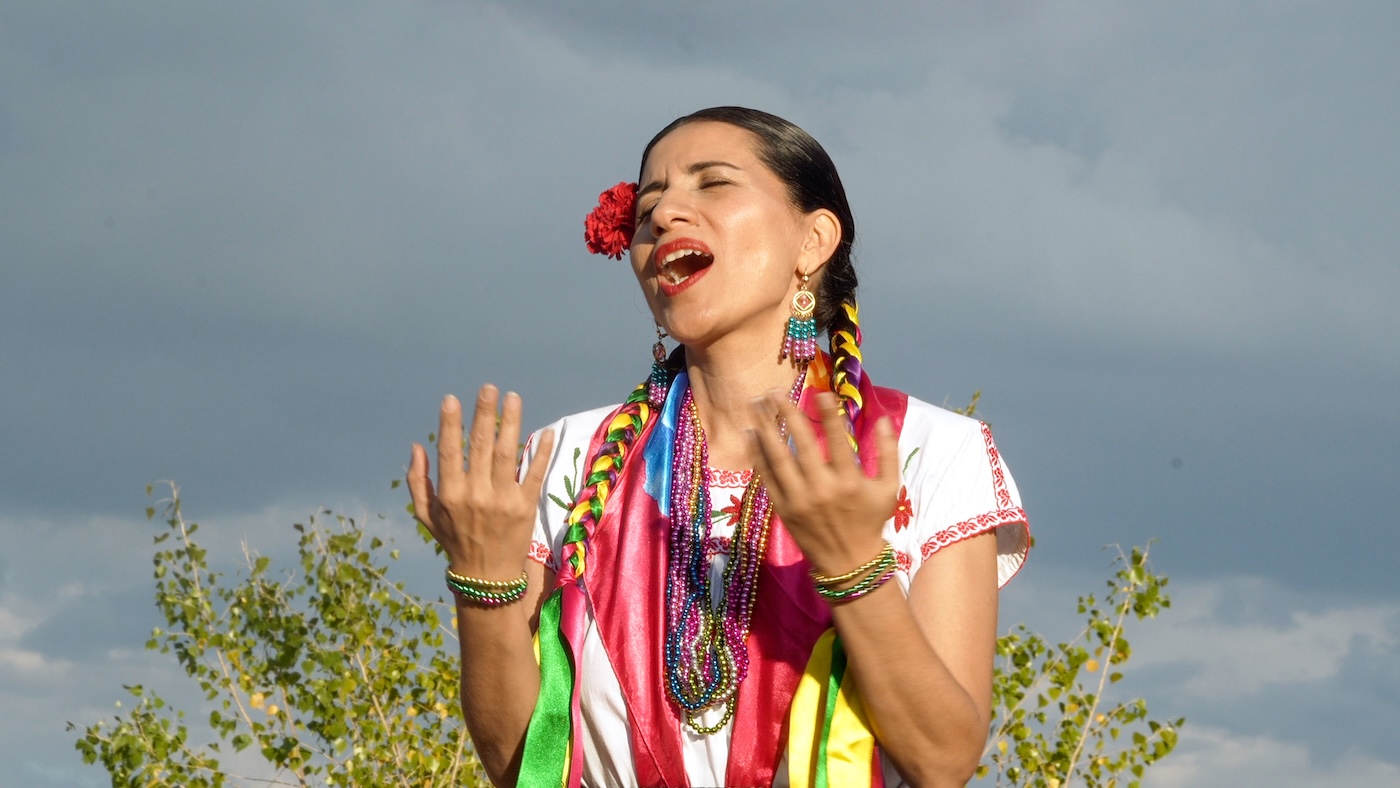
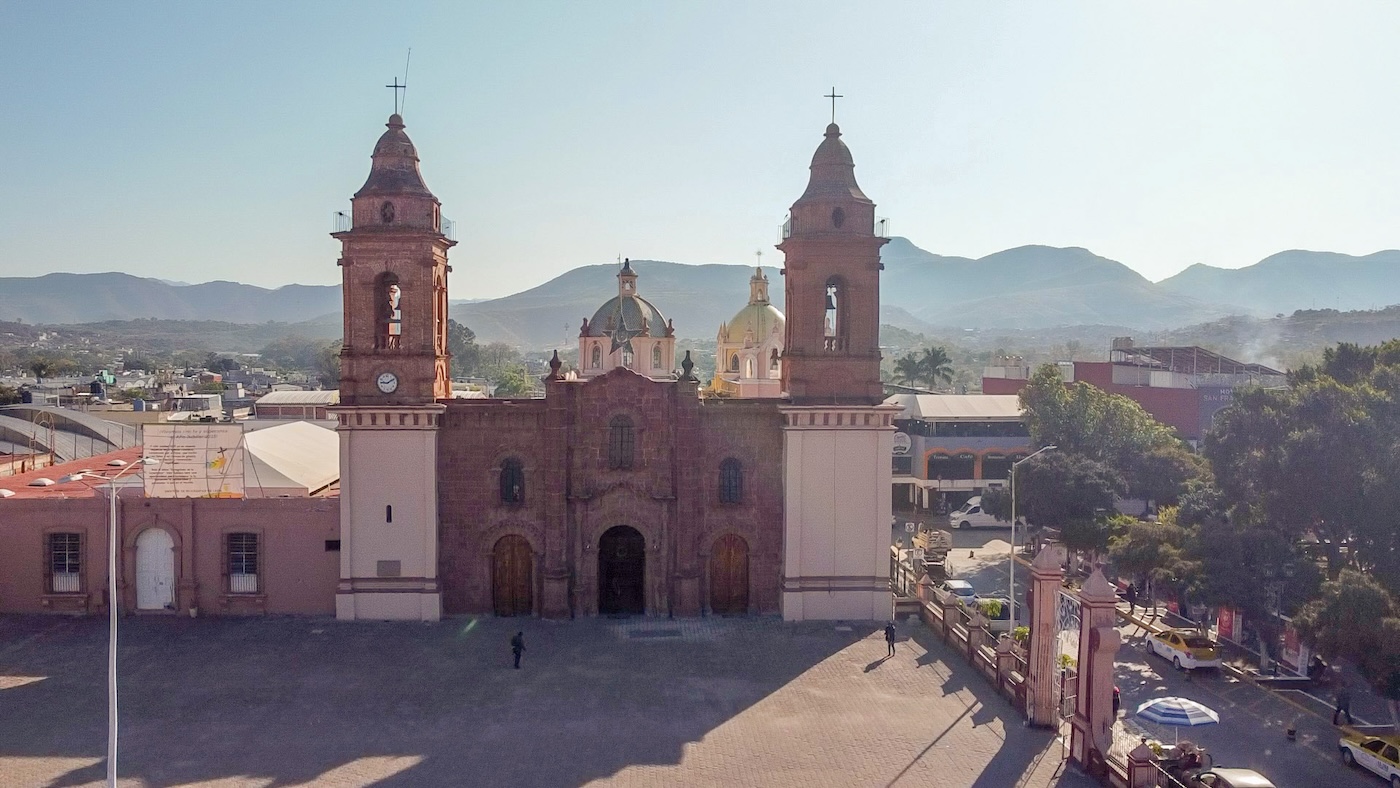
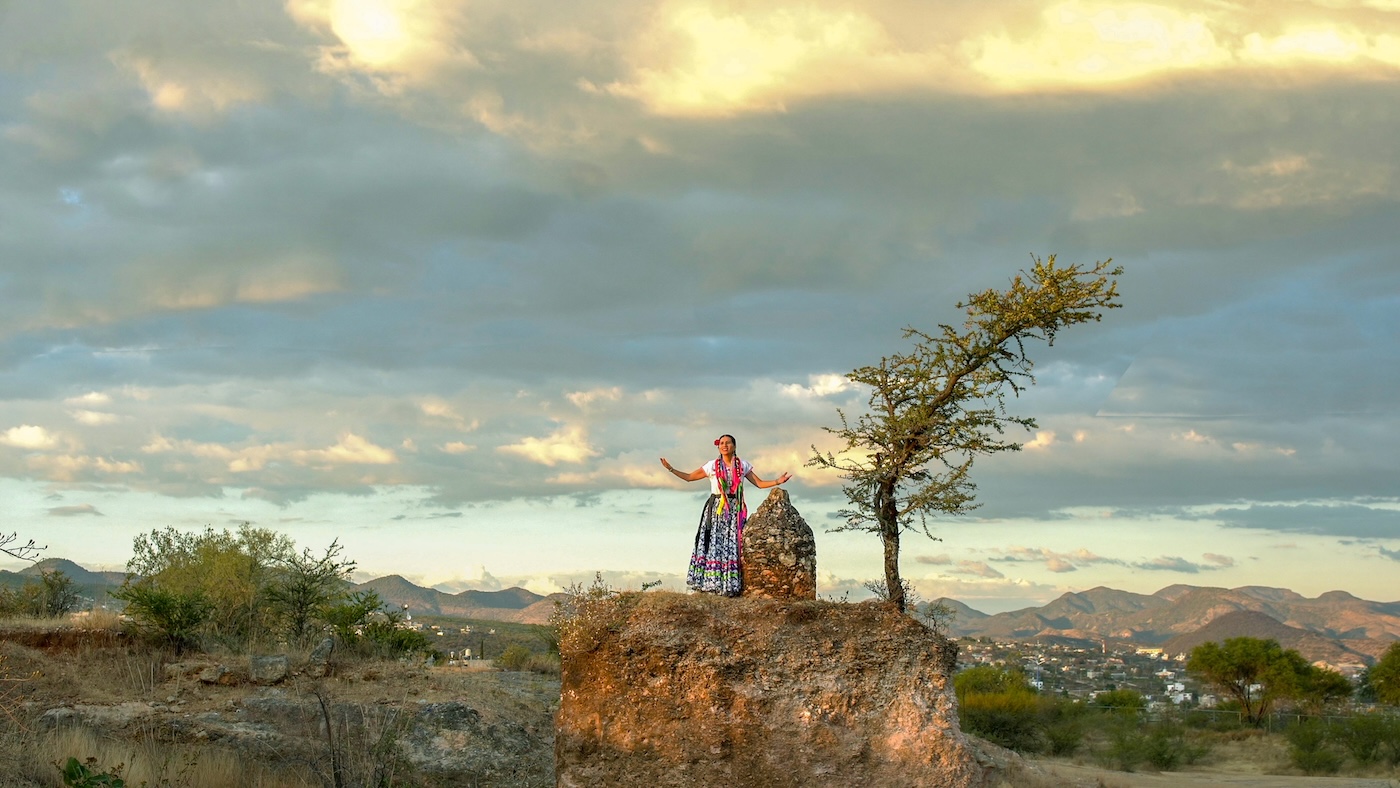
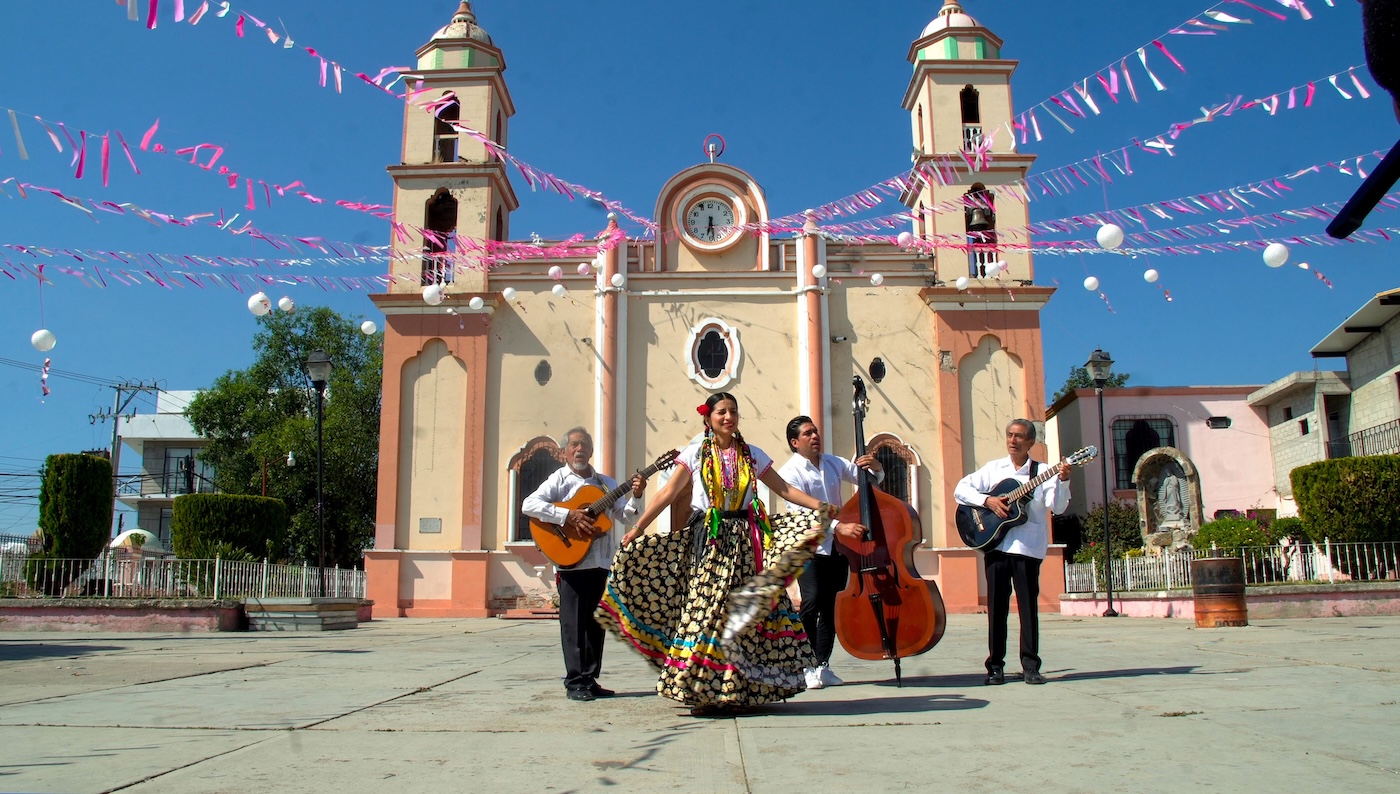
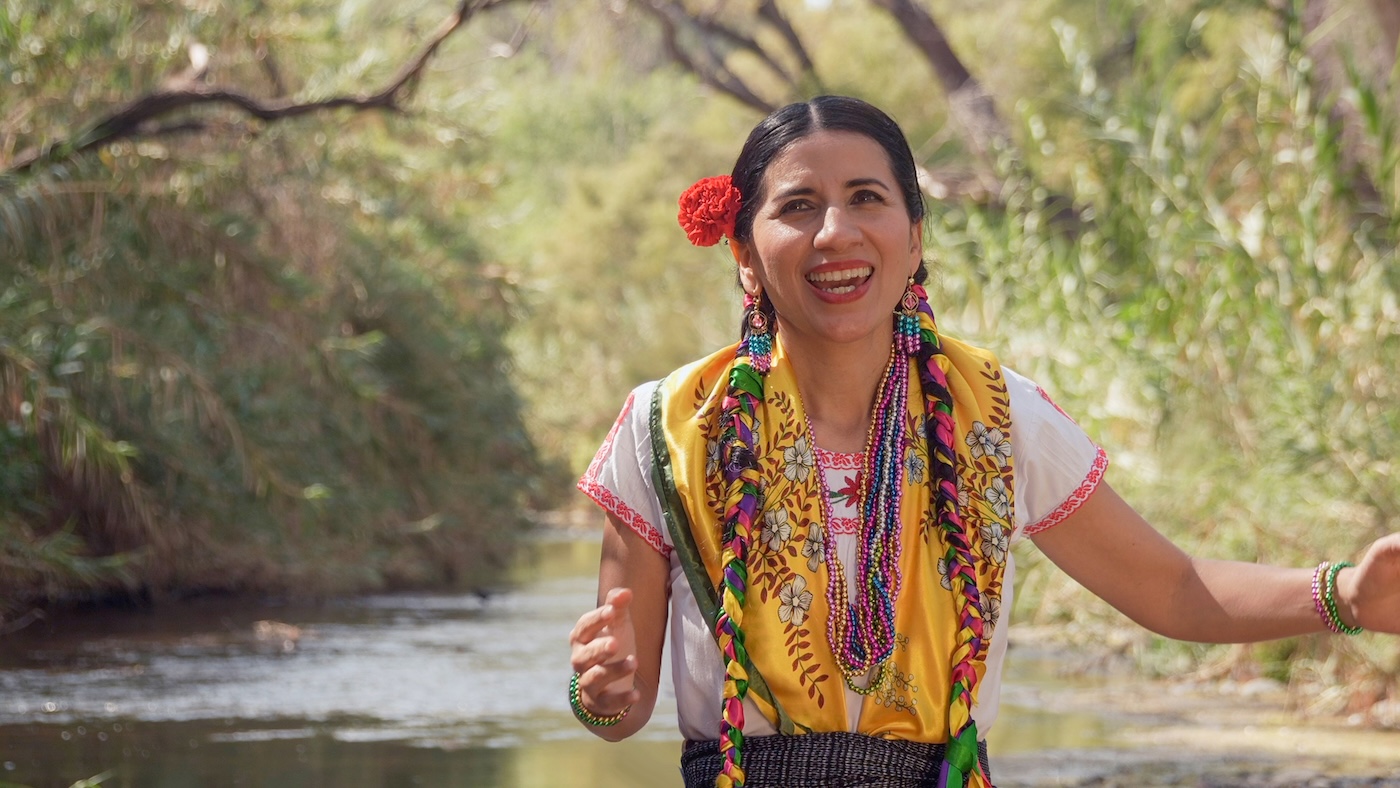
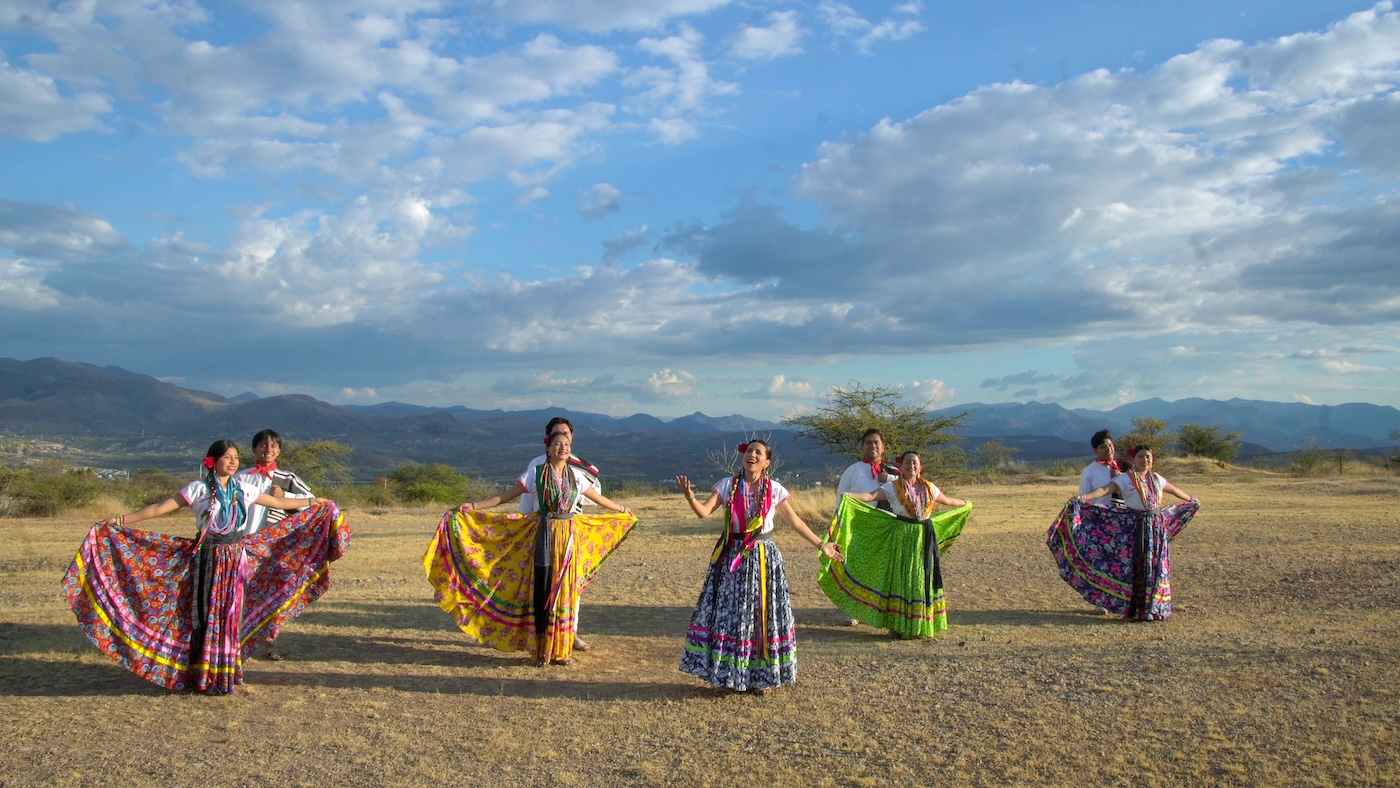
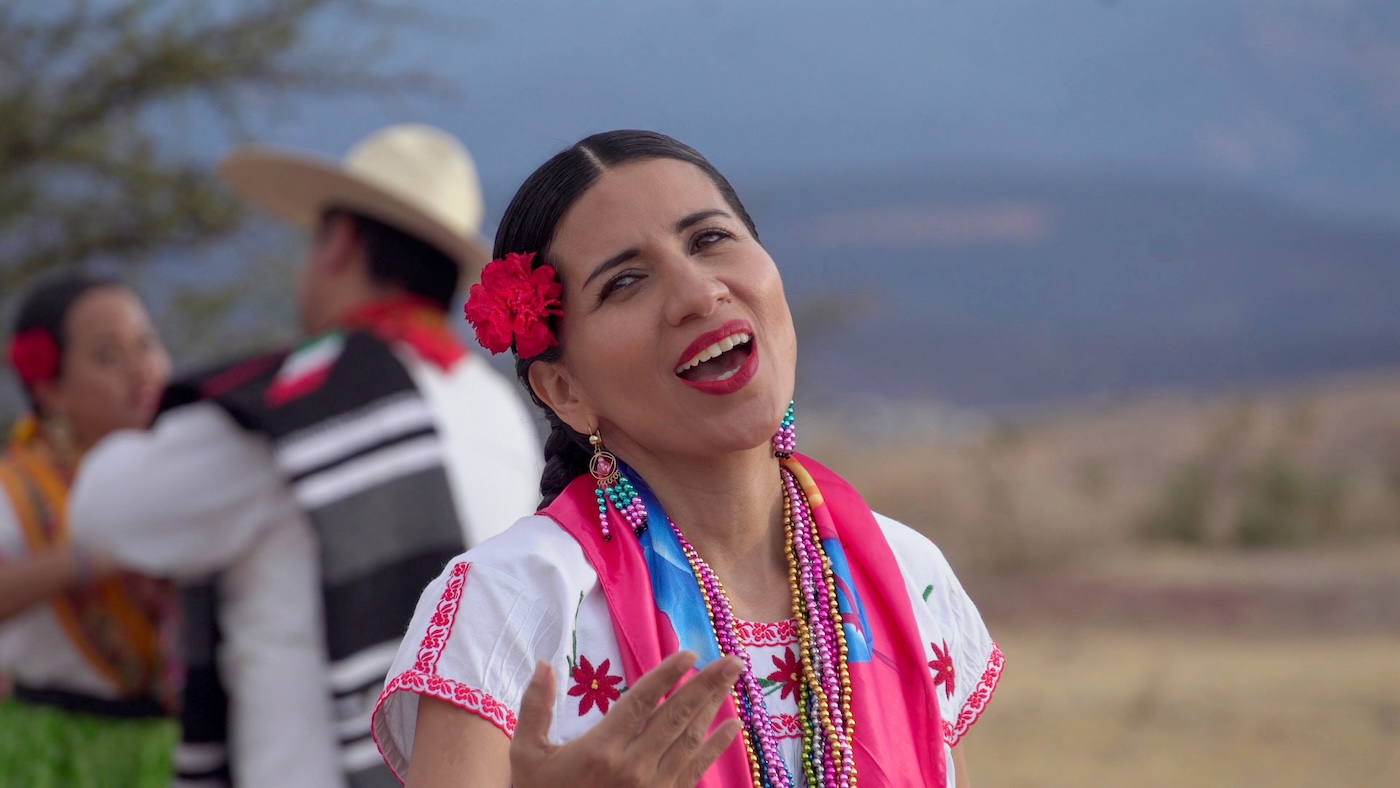
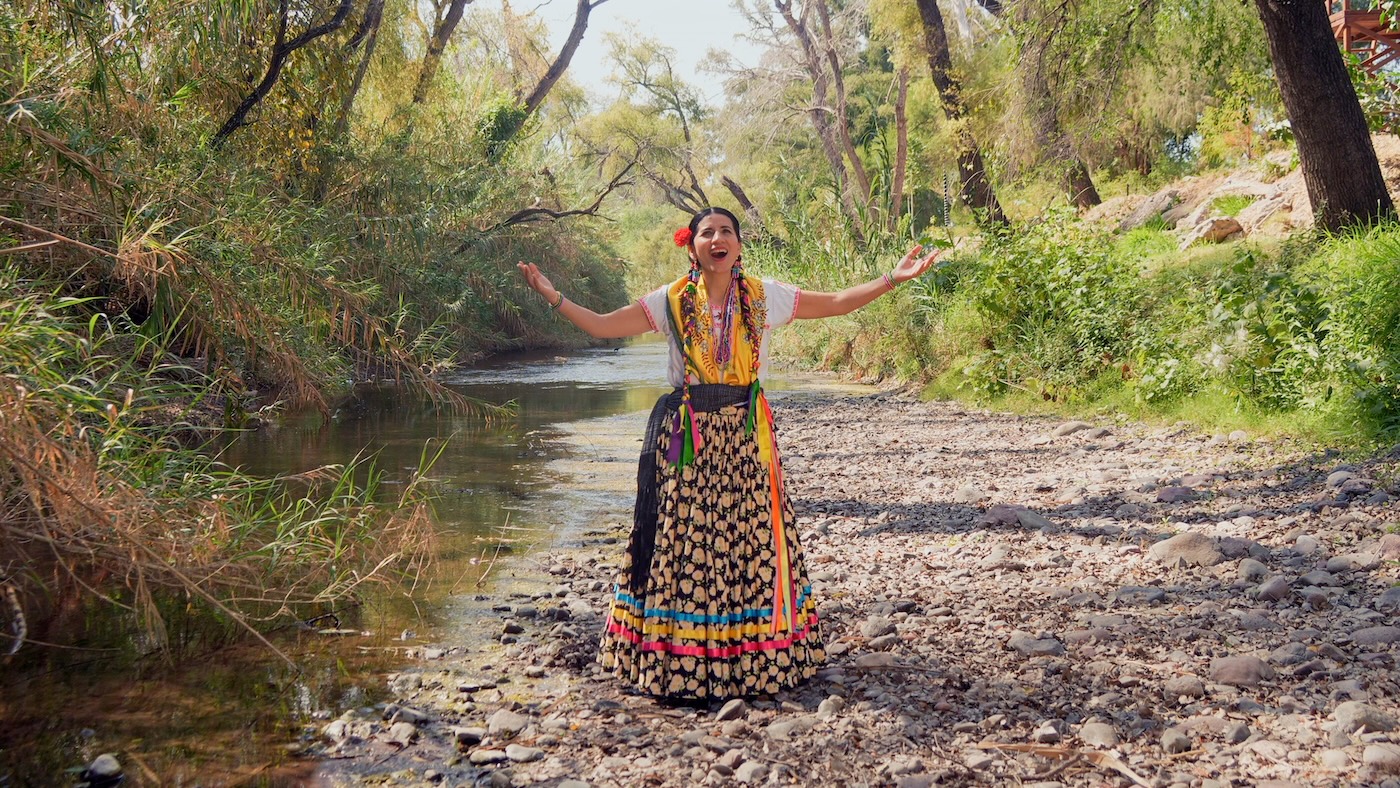
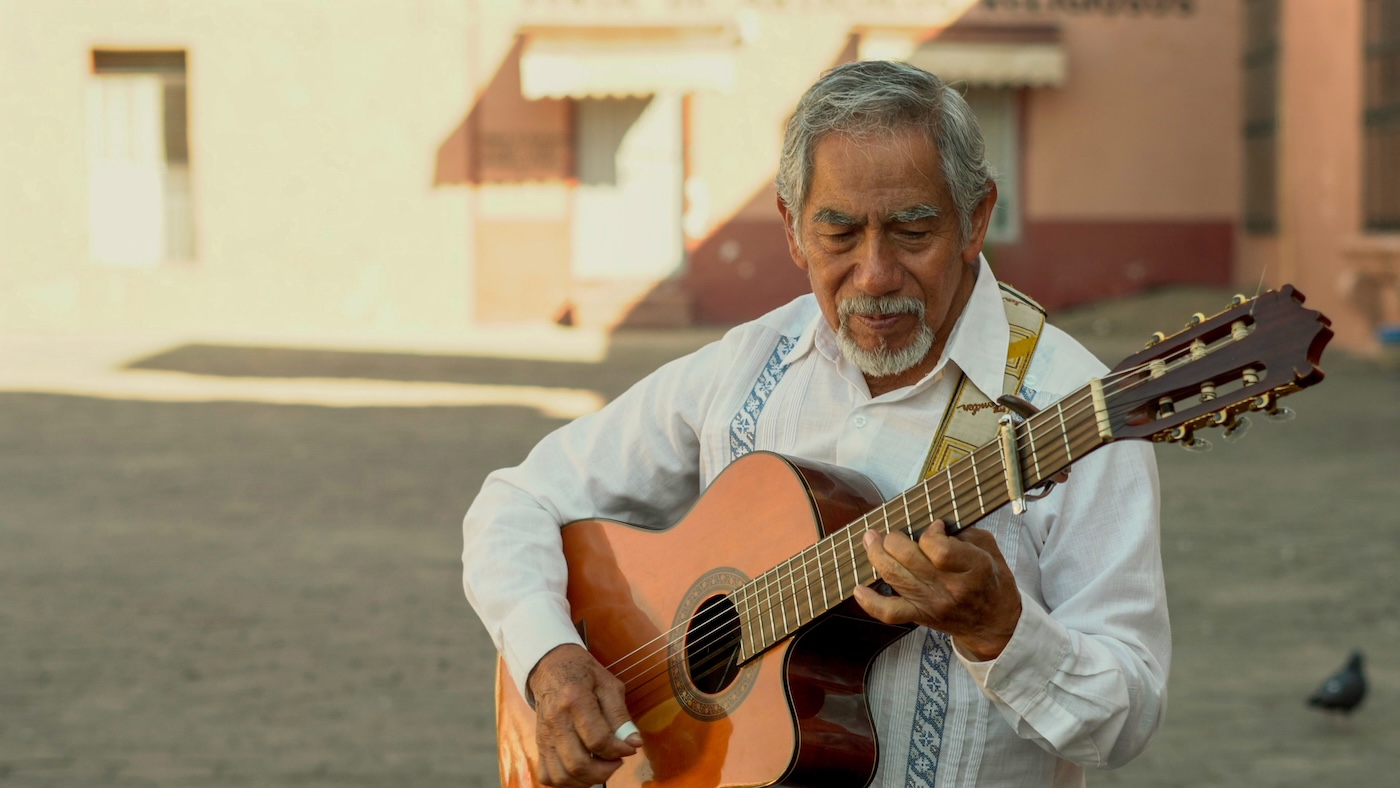
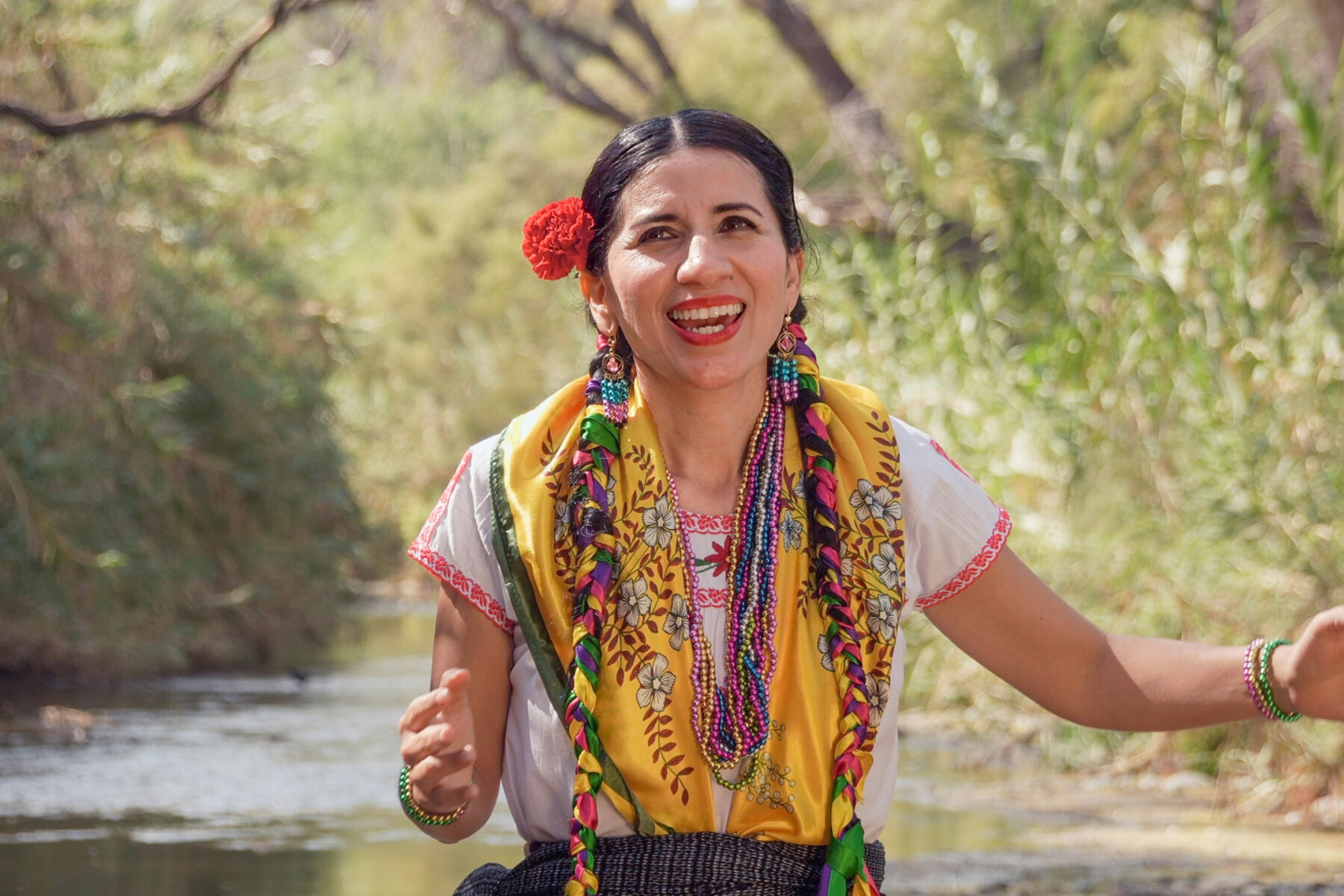
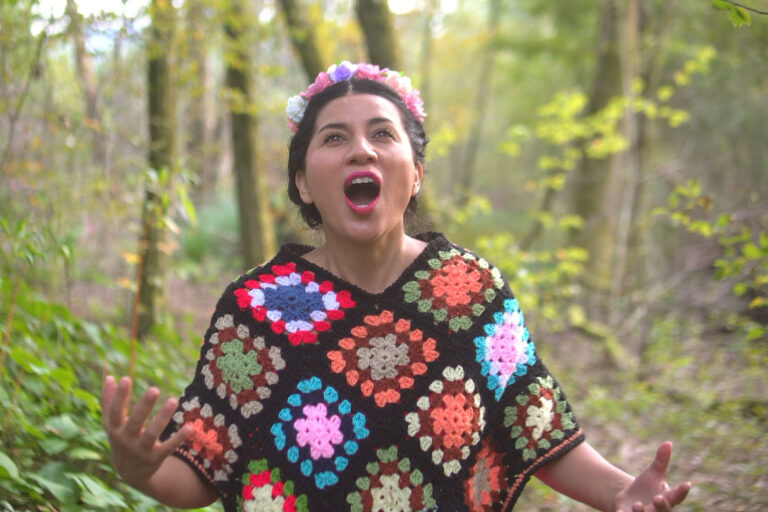
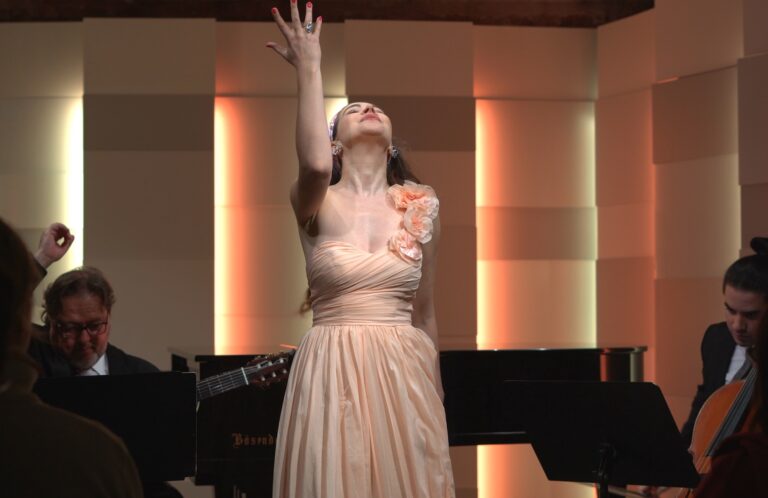
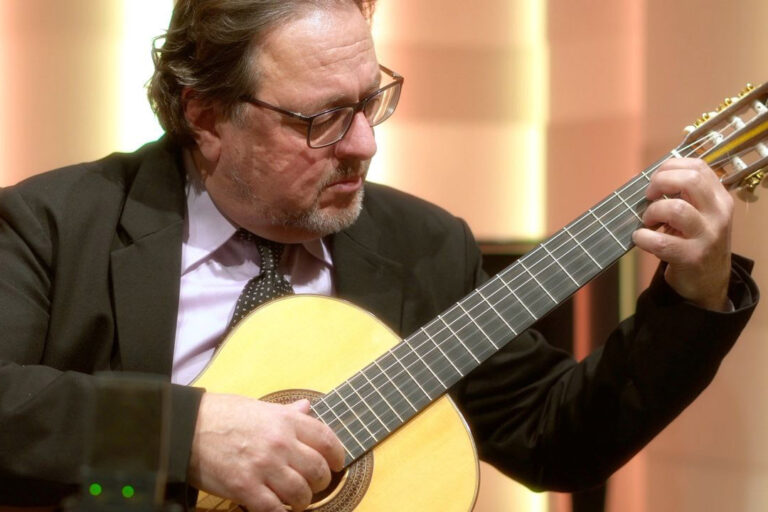
The song “Huajuapan” was written at the end of the 1970s by the composer and musician José B. Trujano Morales was written as a musical homage to his hometown of Huajuapan de León. The composition emerged from a deep personal connection to the Mixteca region and its history, culture and emotional atmosphere.
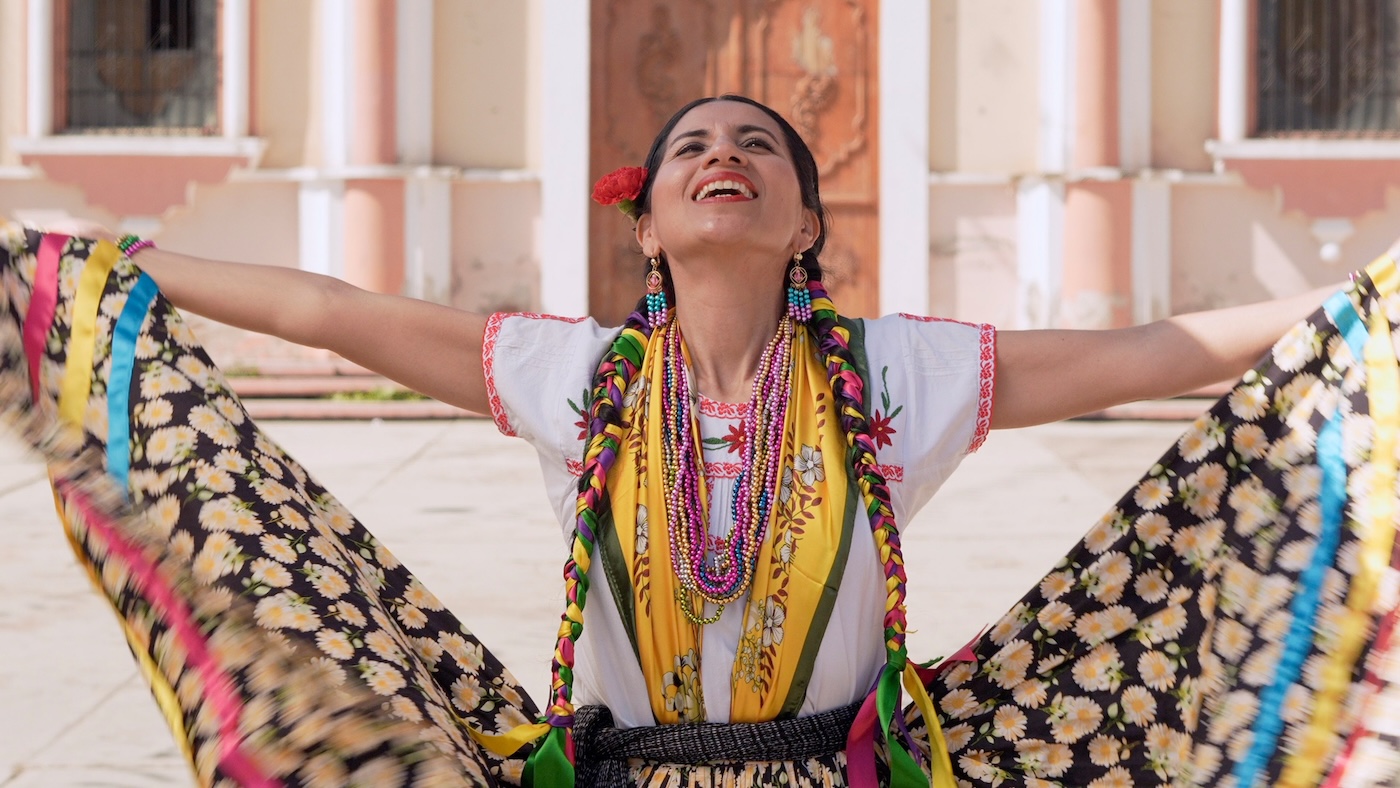
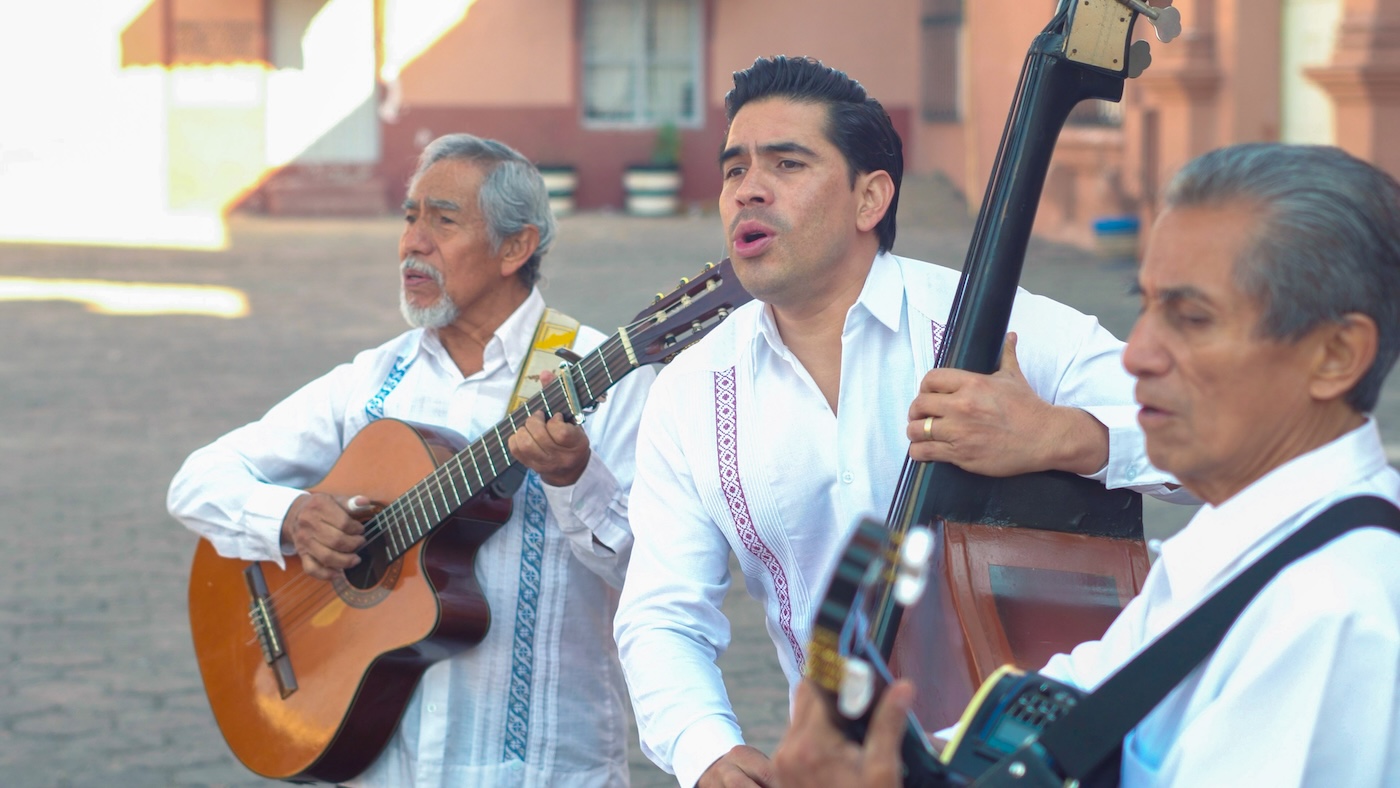
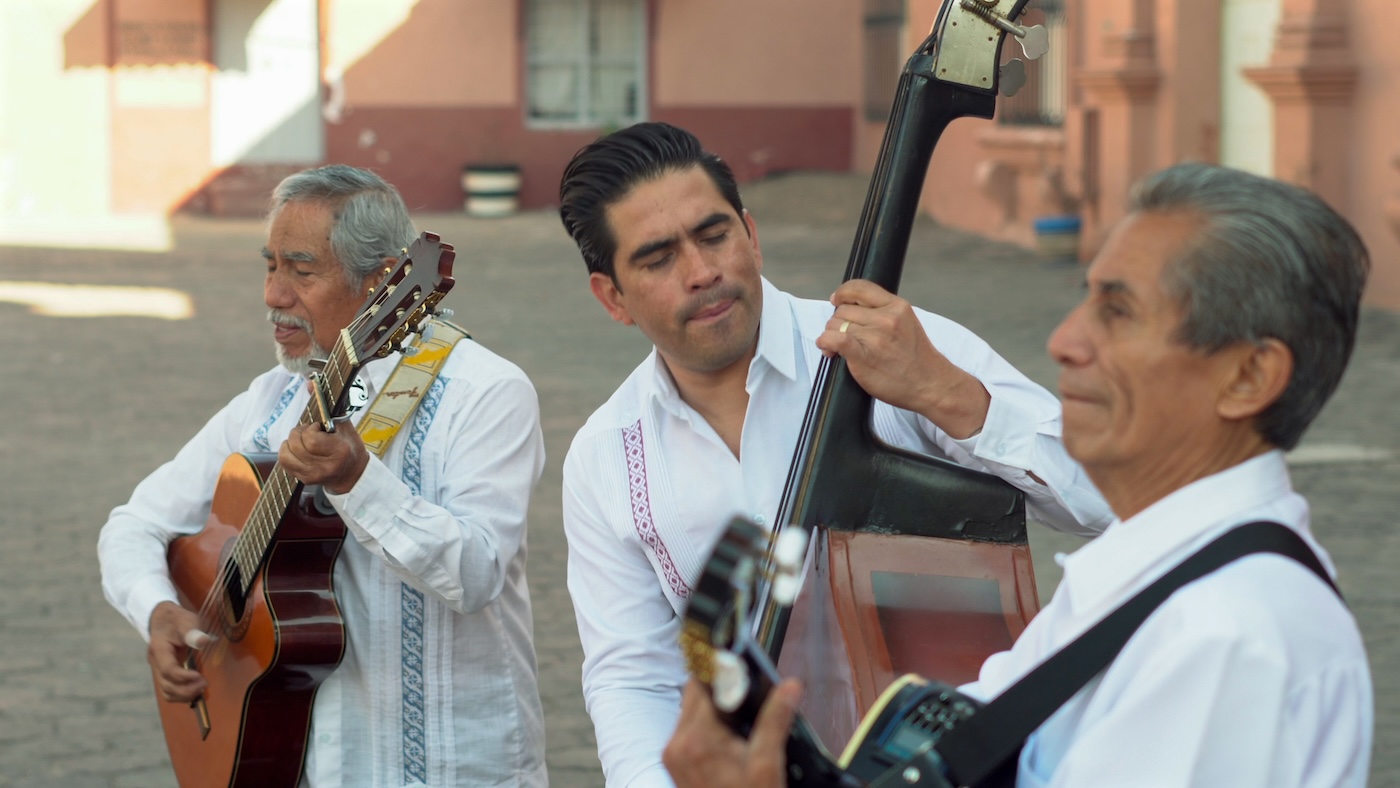
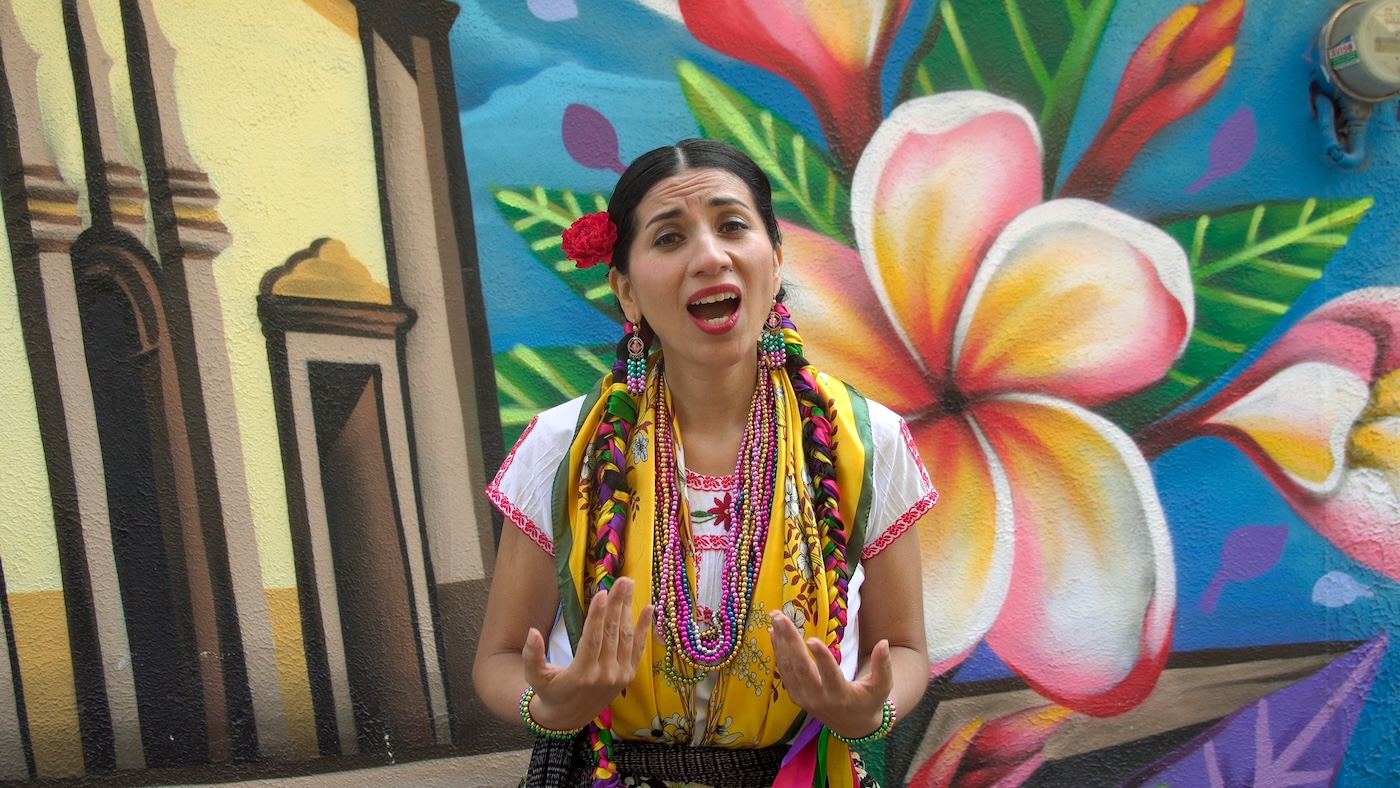
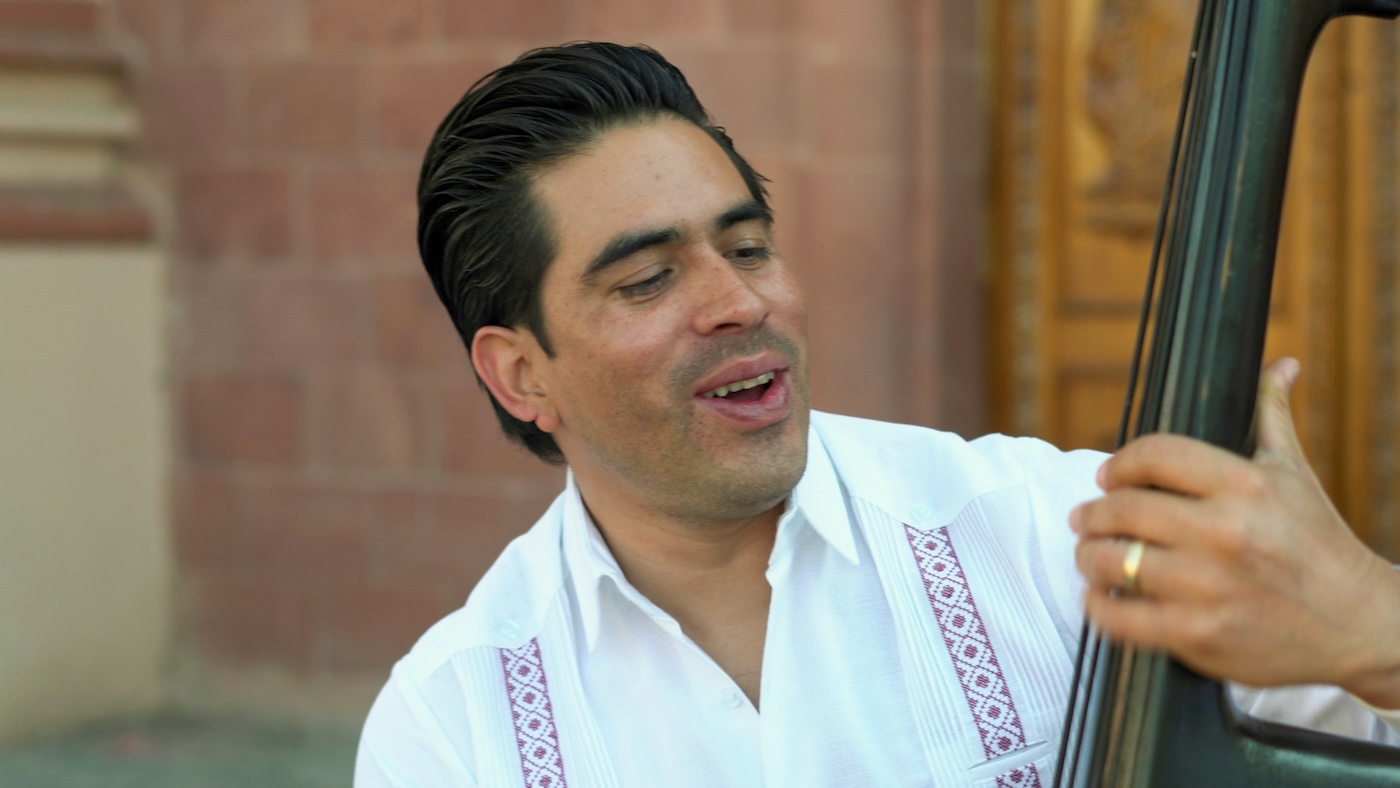
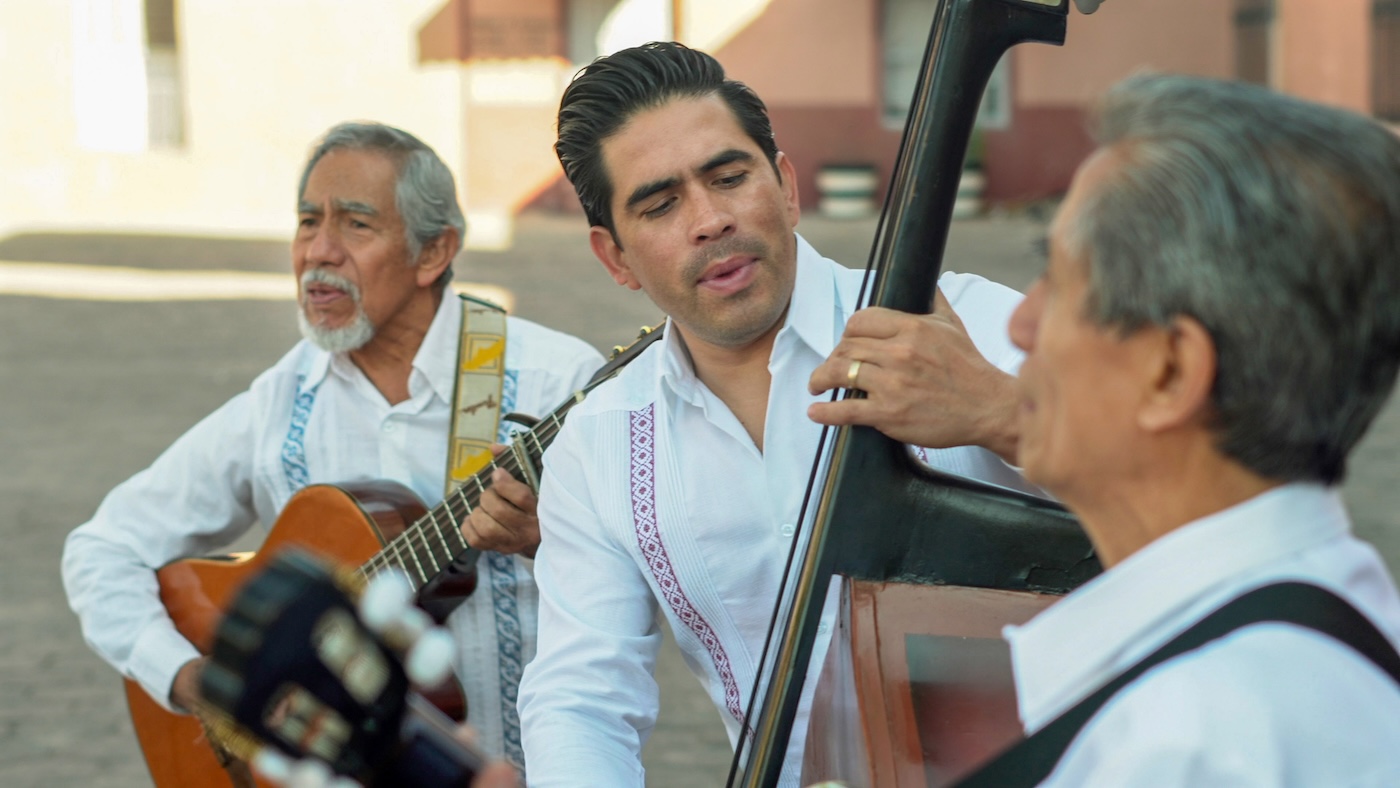
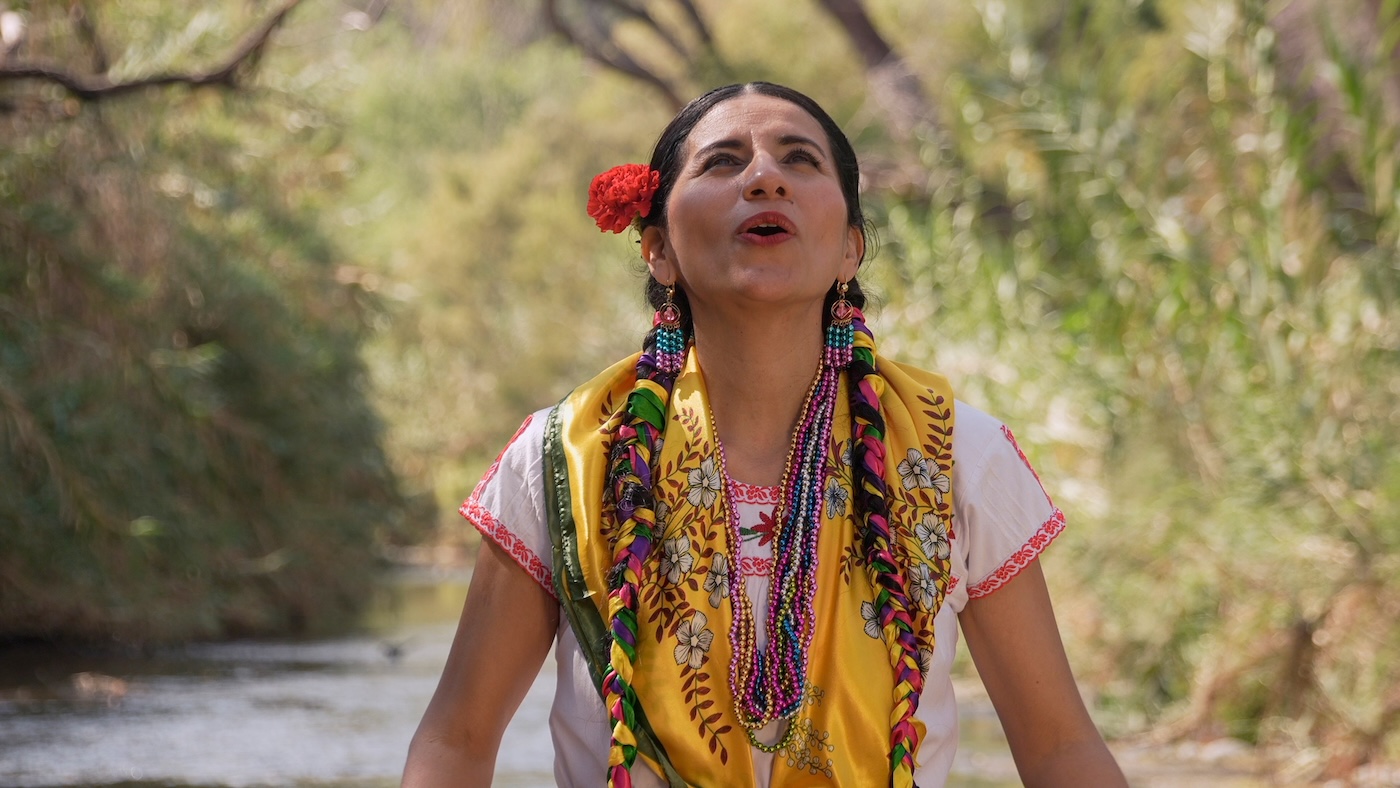
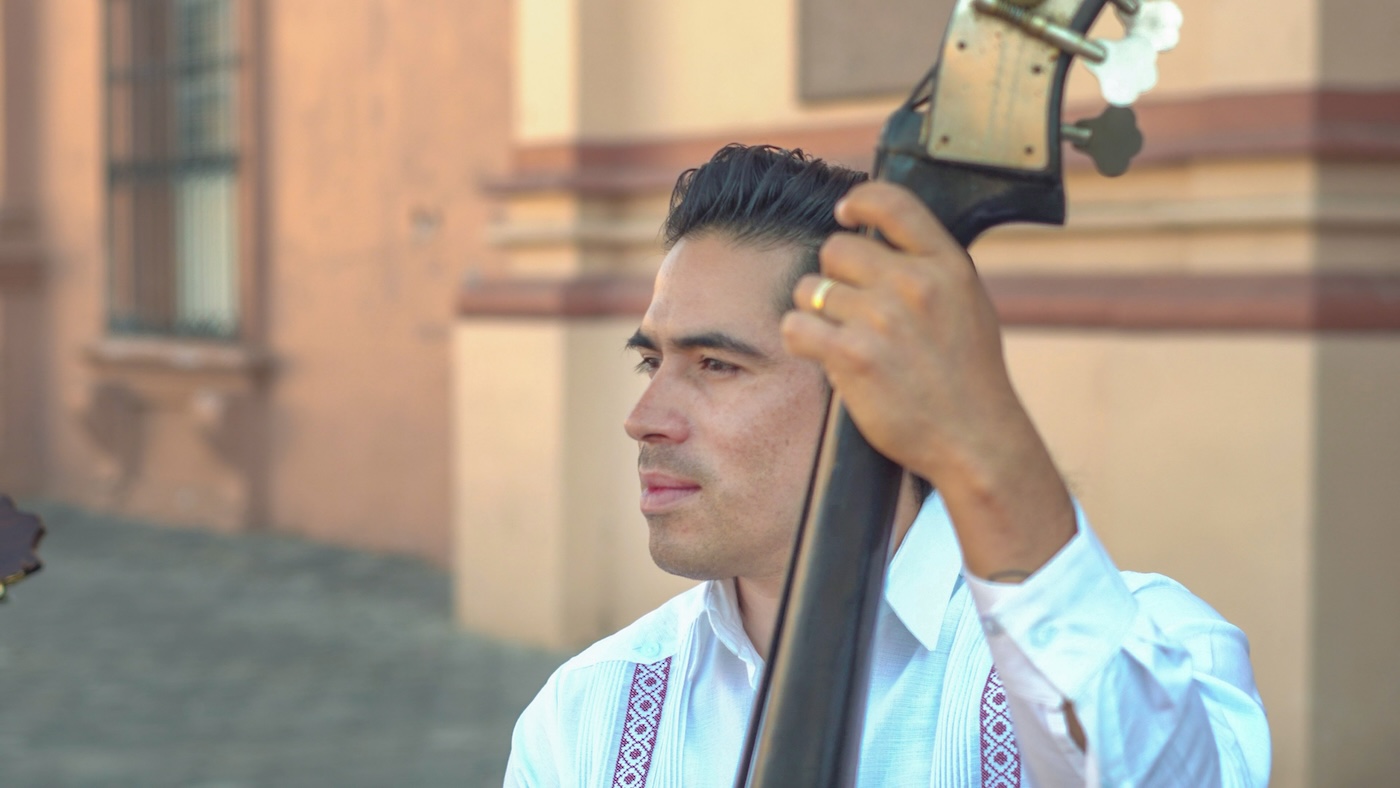
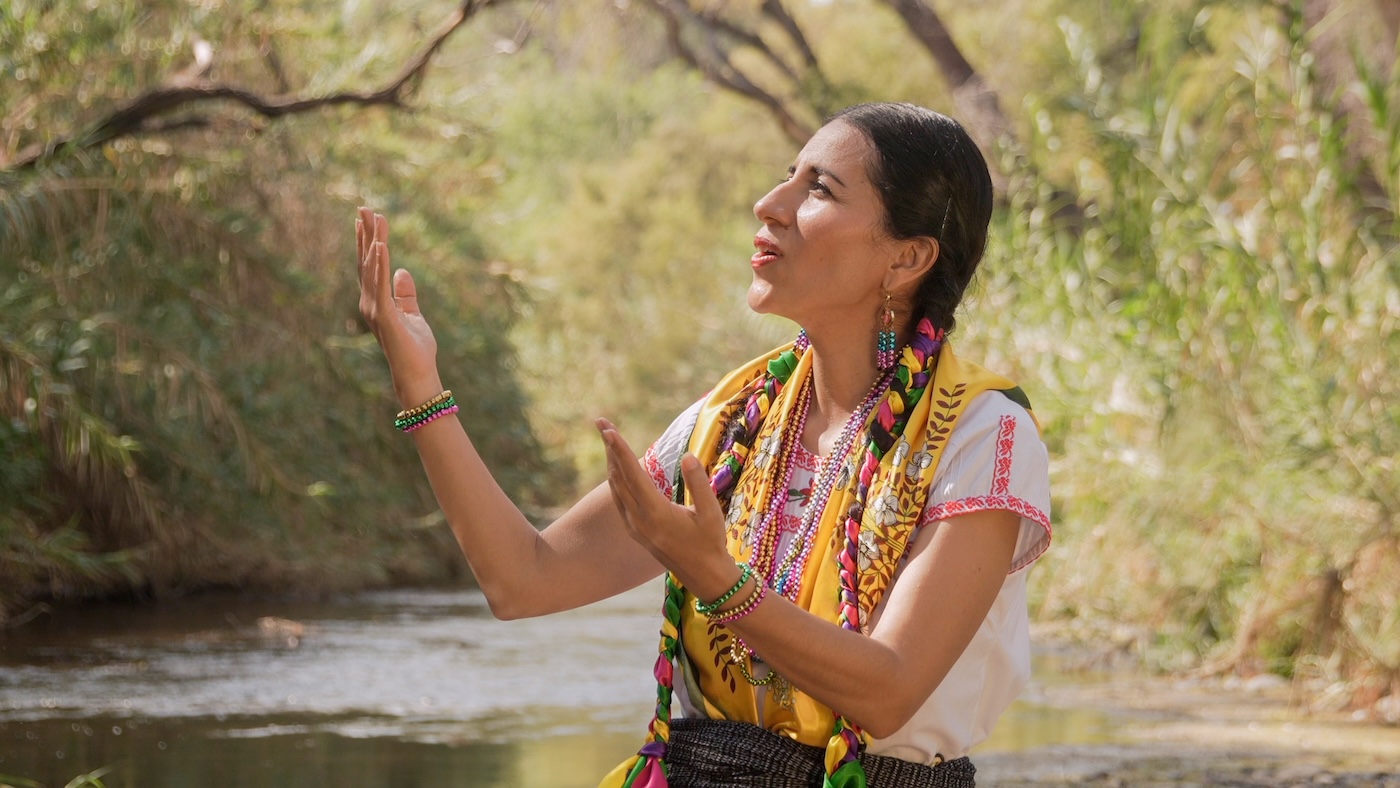
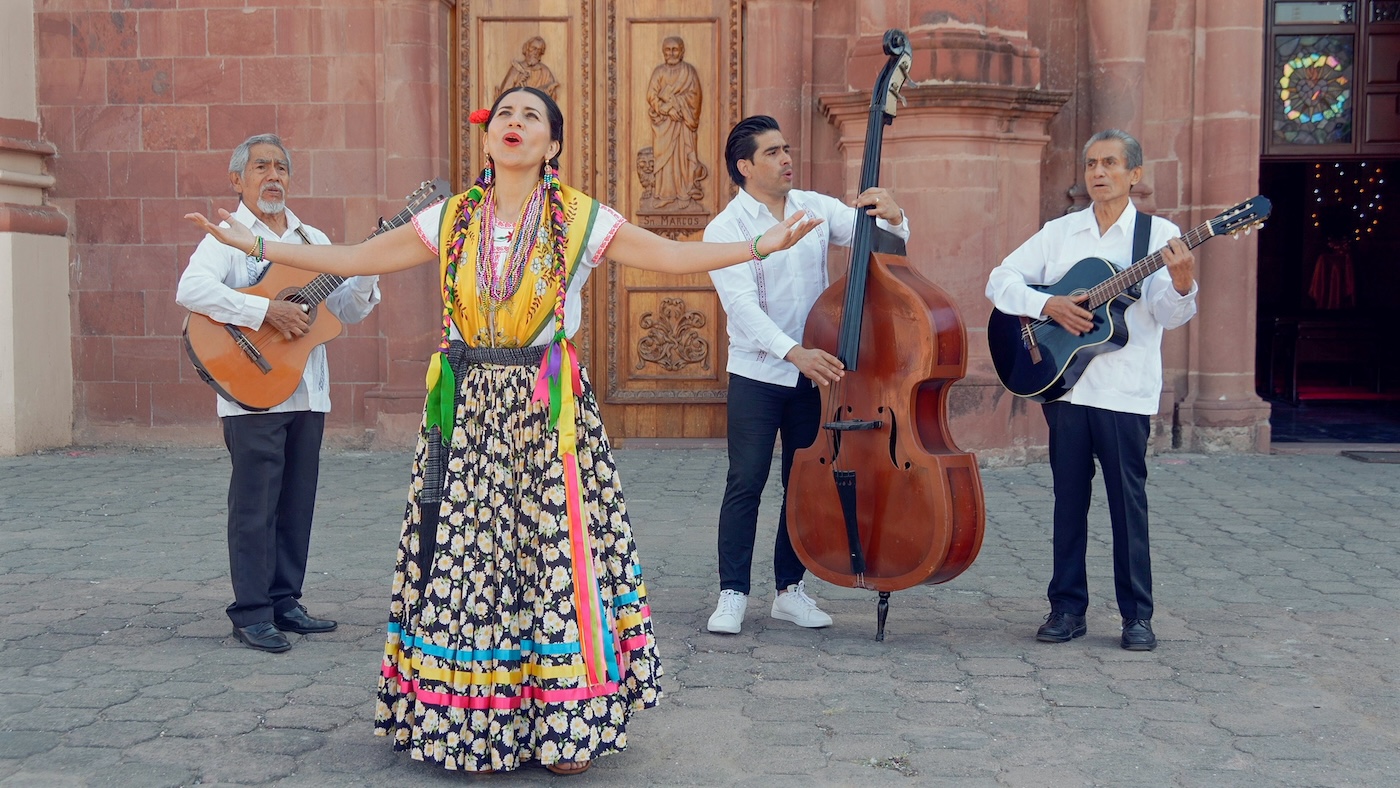
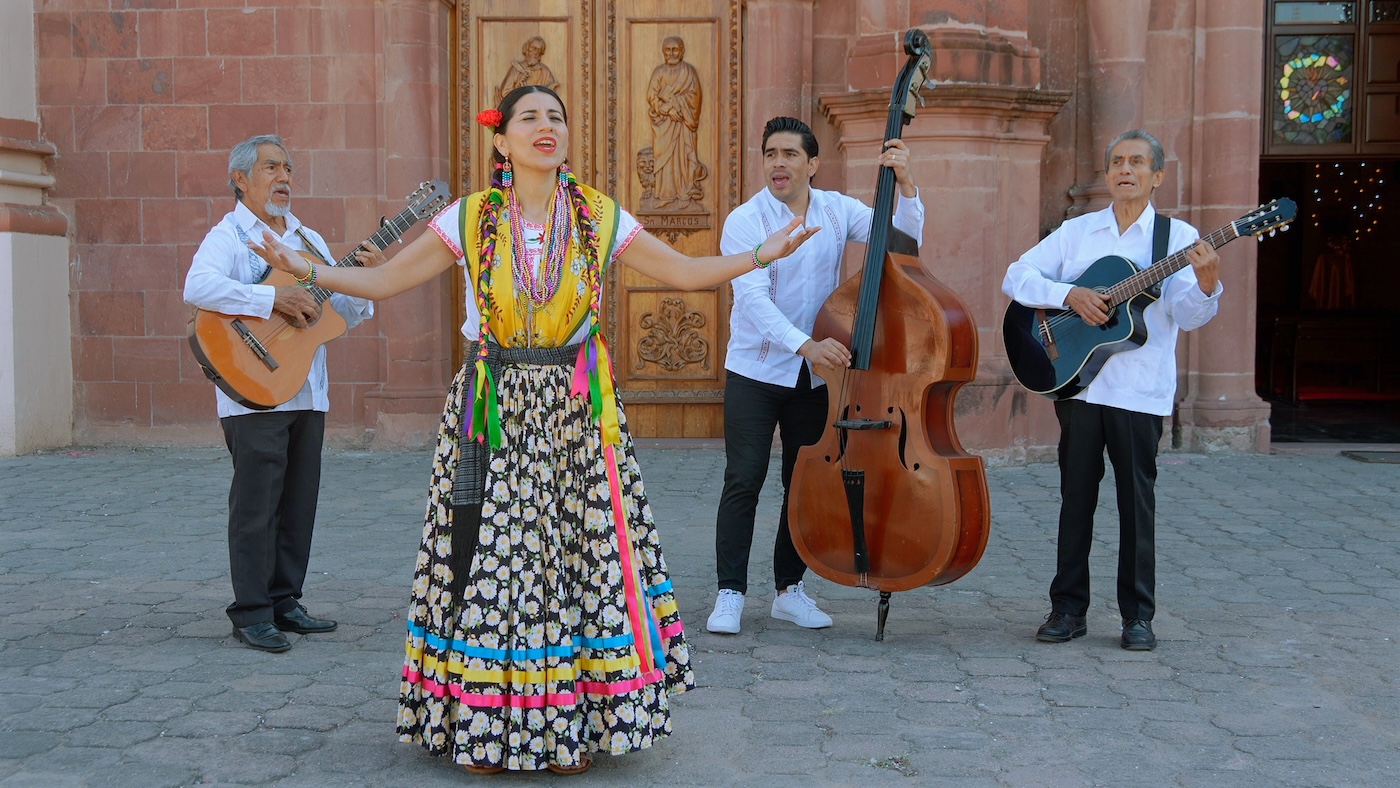
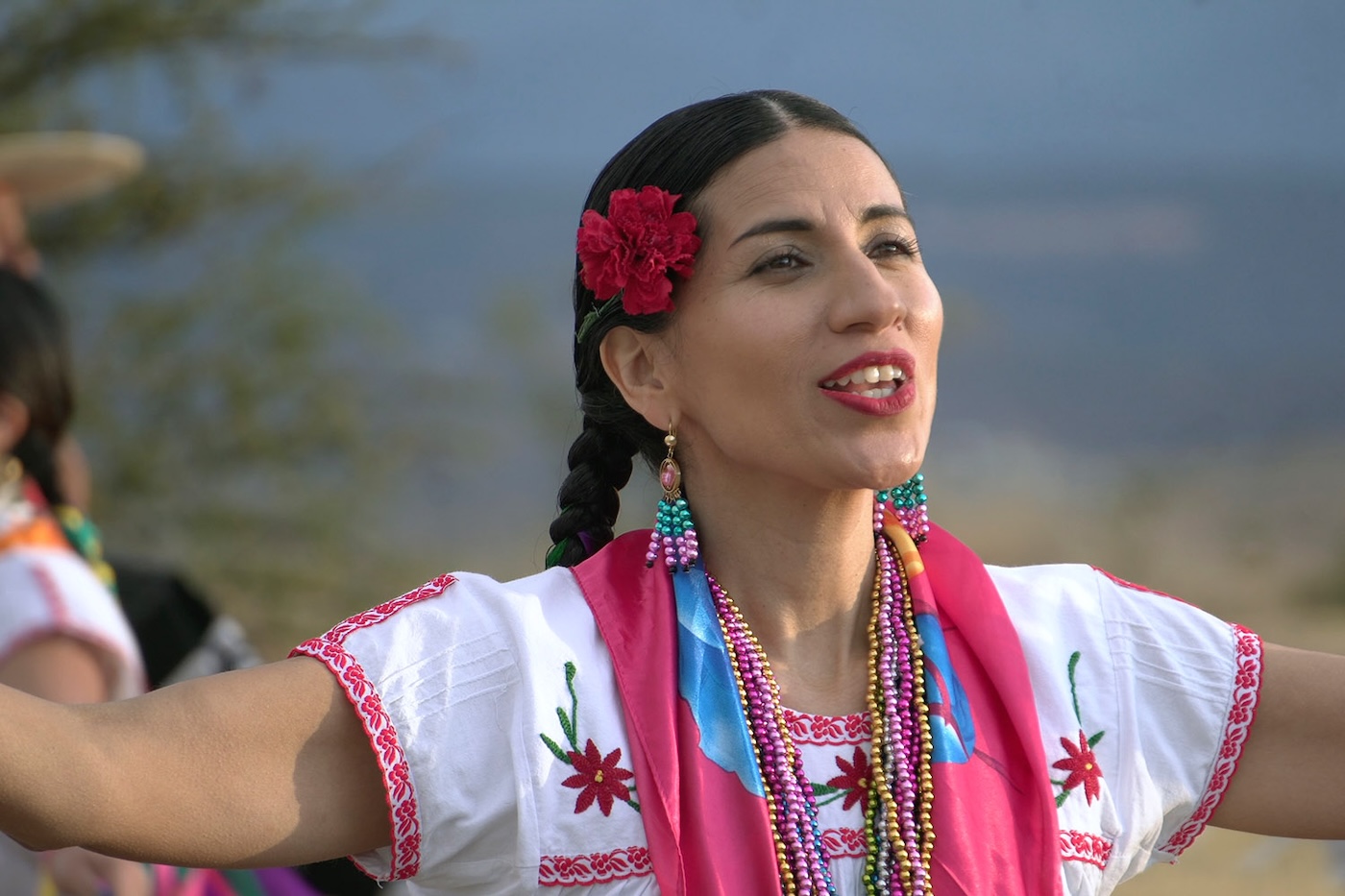
The piece will be reinterpreted by the Vienna-based soprano Patricia Trujano Granados, who works internationally as an interpreter of Mexican and classical music. During a visit to her hometown in December 2025 the idea came about, to produce the song together as a music video. It wasn't just the music, but also memories of the Trujano family and pictures from Huajuapan itself. Patricia is accompanied by Grupo Bohemio,
Composition: José Bernabé Trujano Morales
Interpreter: Patricia Trujano Granados
Bohemian Group: José Bernabé Trujano Morales, José Luis Trujano Granados, Alberto Julian Mora Paz
Video: Alexander Uhl, Monica Arias
Audio: José Luis Trjano Granados
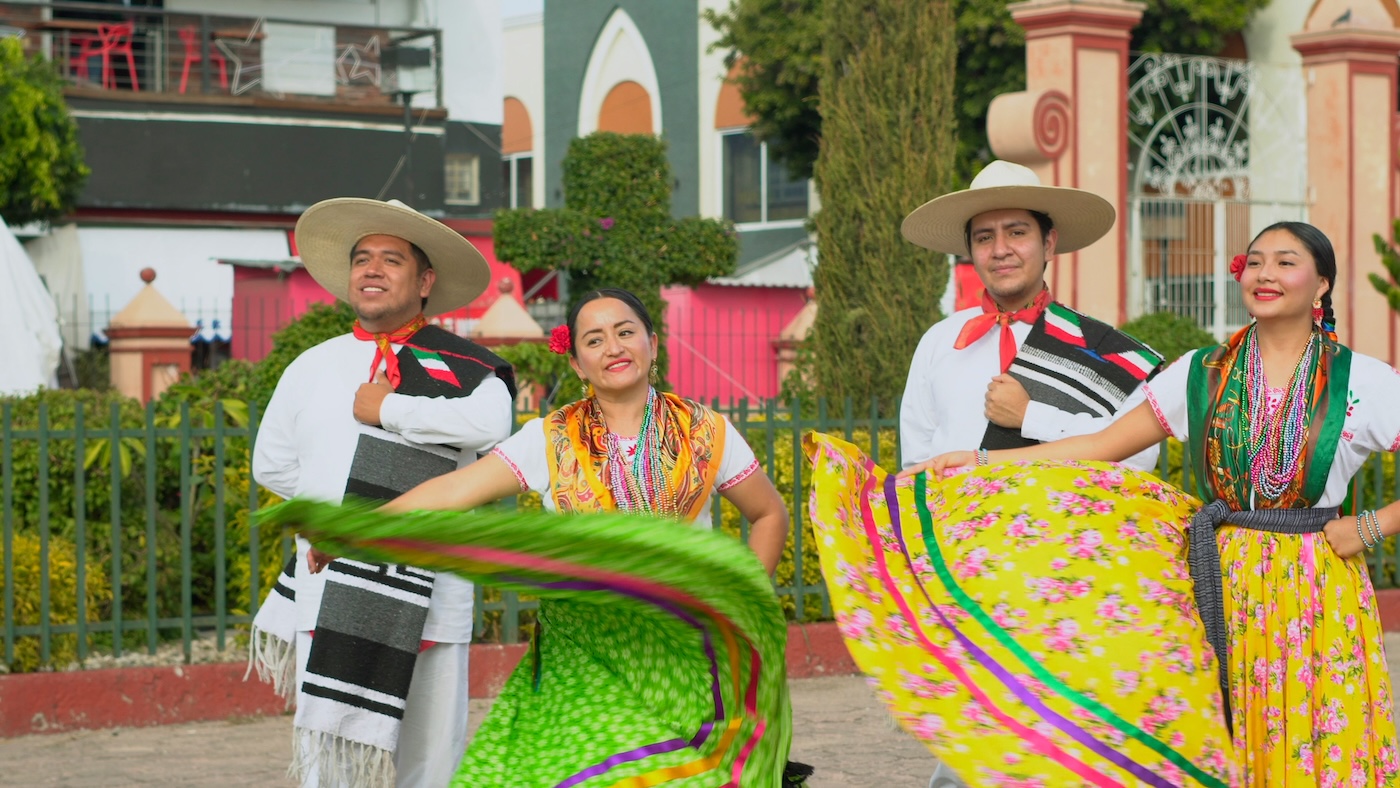
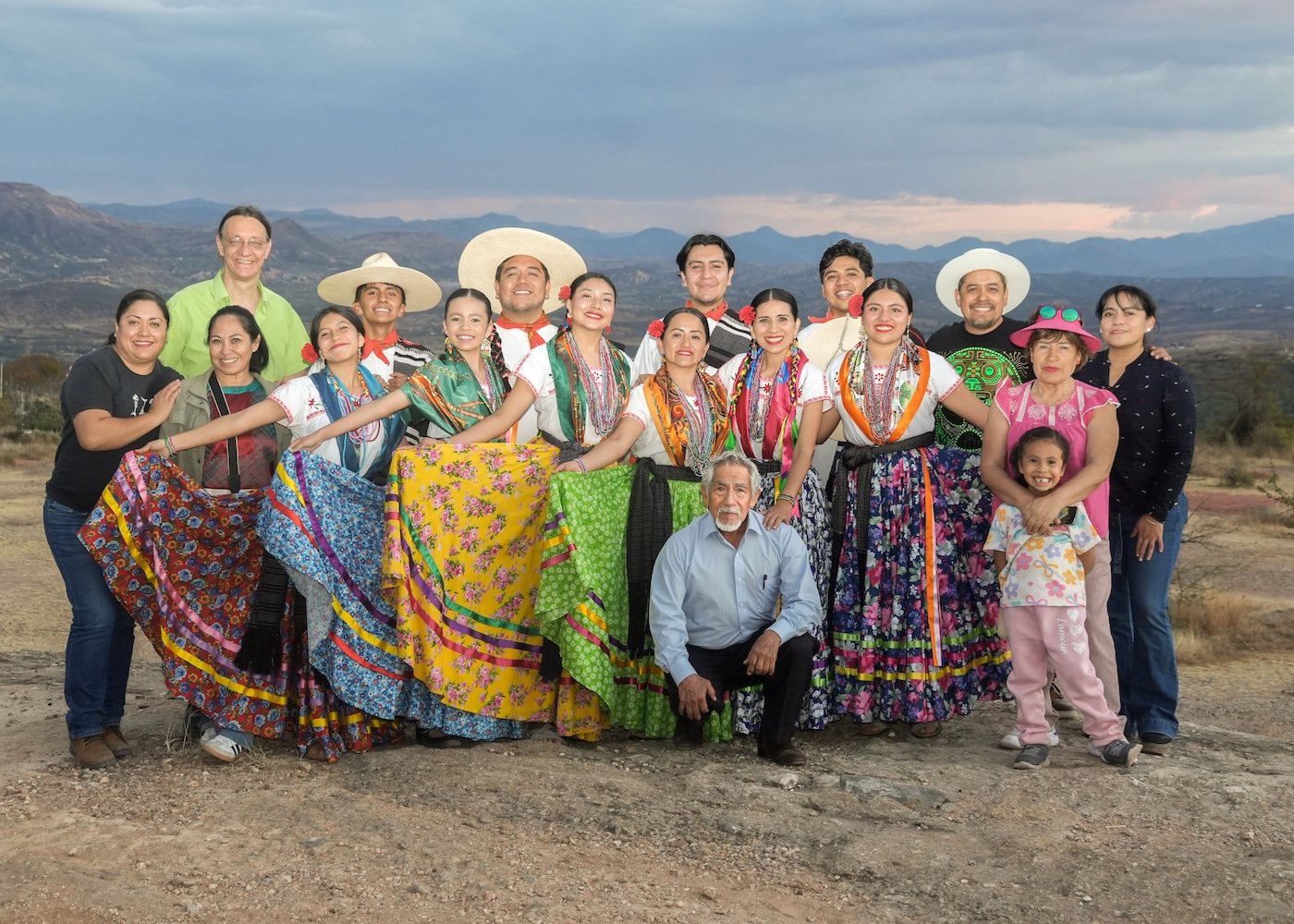
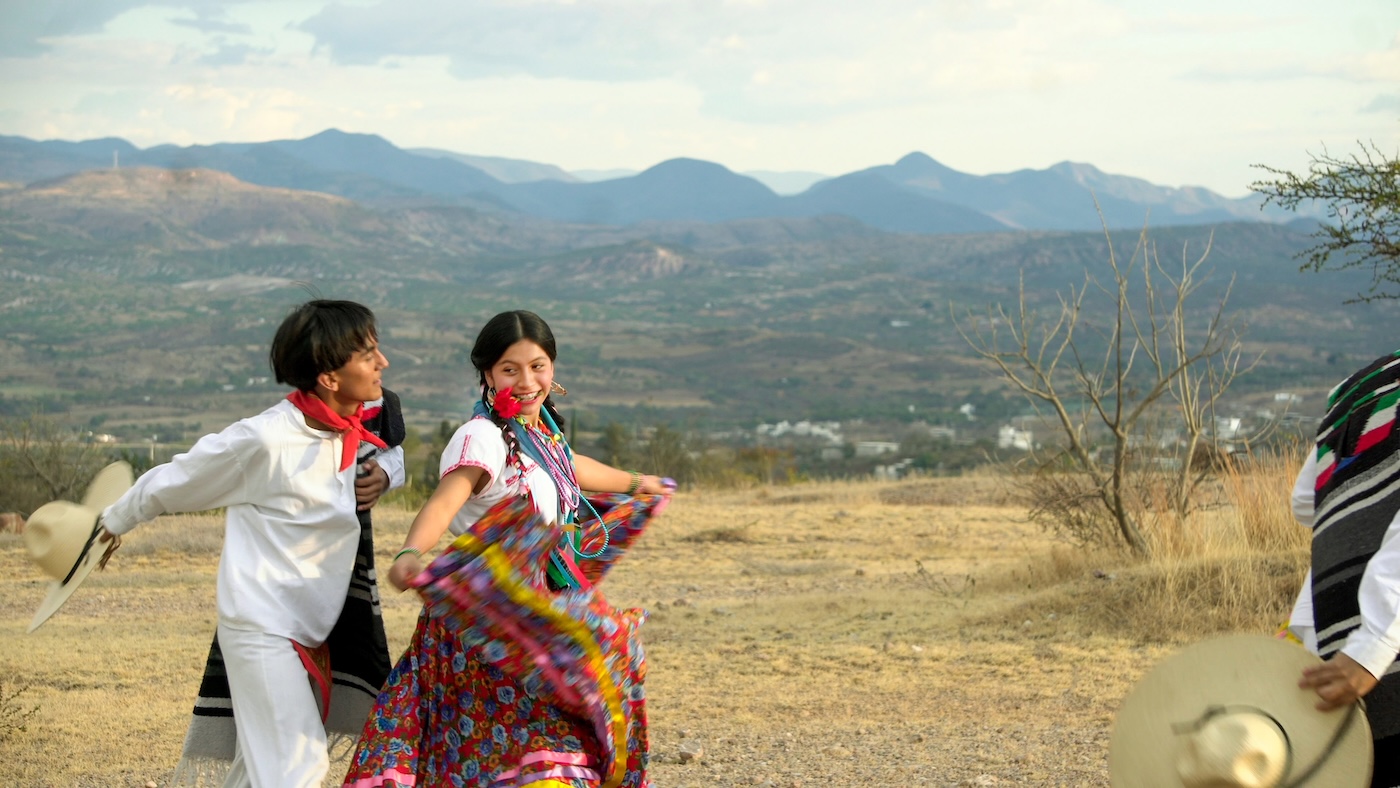
Tamzer:inside: Mayra Cisneros Brito, Luis Alejandro Molina Flores, Victoria Barragan Trujano, Nathalia Trujano Pedroza, Italivi Nanely Perez Cruz, Diego Velasco Olea, Jesus Alejandro Lopez Huerta, Amayrani Cruz Ortega, Jalil Martín Mora Martínez,
Production team: Carlos Trujano Granados, Alma Trujano Granados, Guillermina Trujano Granados, Claudia Pedroza Oropeza, Guillermina Granados Cepeda
production: Alexander Uhl, Patricia Trujano Granados
© 2026 Huajuapan de León, Oaxaca – Mexico

Huajuapan de León – das Herz der Mixteca Oaxaqueña
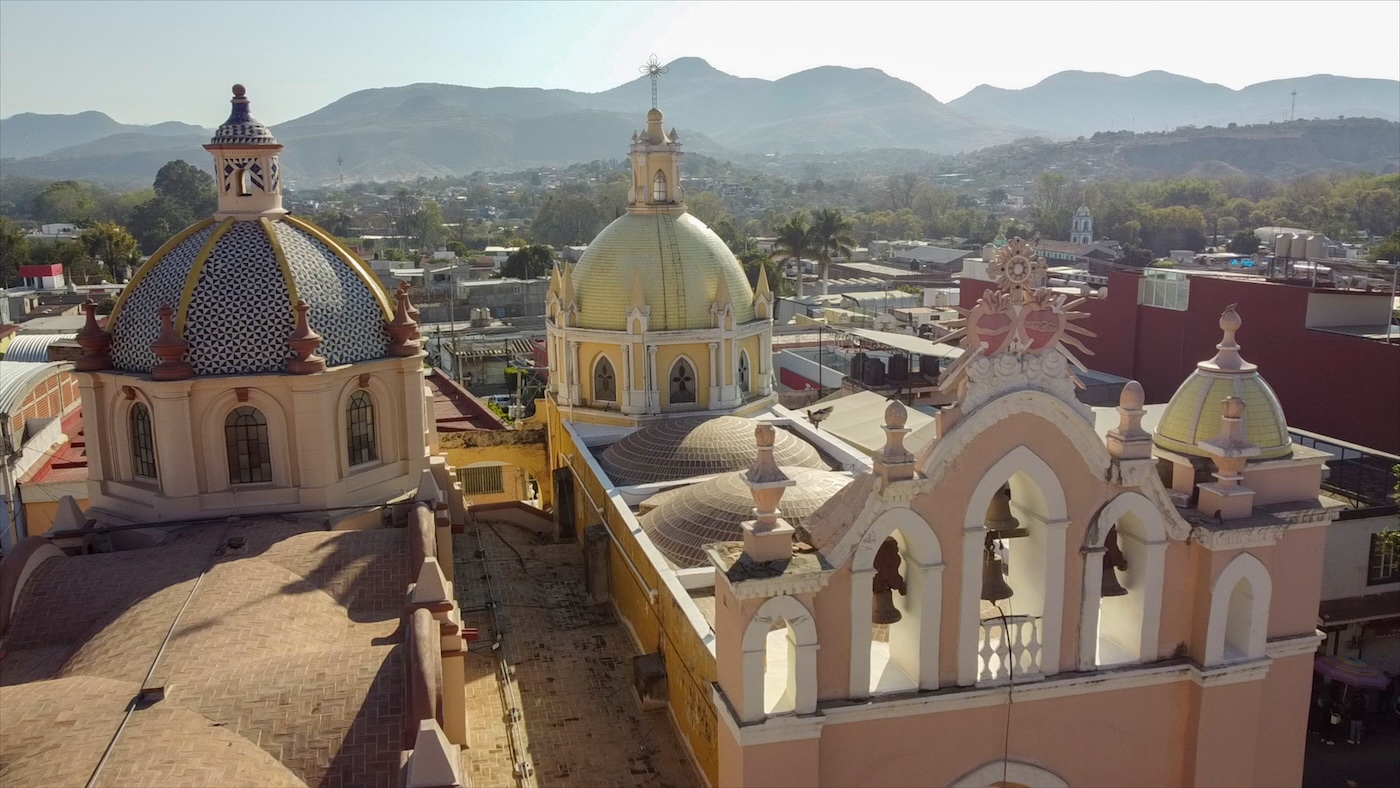
Anyone who hears the name Huajuapan de León for the first time, You may not immediately think of a place with thousands of years of history, vibrant indigenous culture and a very own identity. But that's exactly what makes the city in the northwest of the state of Oaxaca so special. Huajuapan is not only the economic center of the region, but also the cultural heart of the so-calledMixtec – a landscape, which is still strongly influenced by the Mixtec tradition today.
This is where the past and present constantly meet: pre-Hispanic history, Colonial influences and modern Mexican life coexist – sometimes harmoniously, sometimes contradictory, but always exciting.
What exactly is the “Mixteca”?
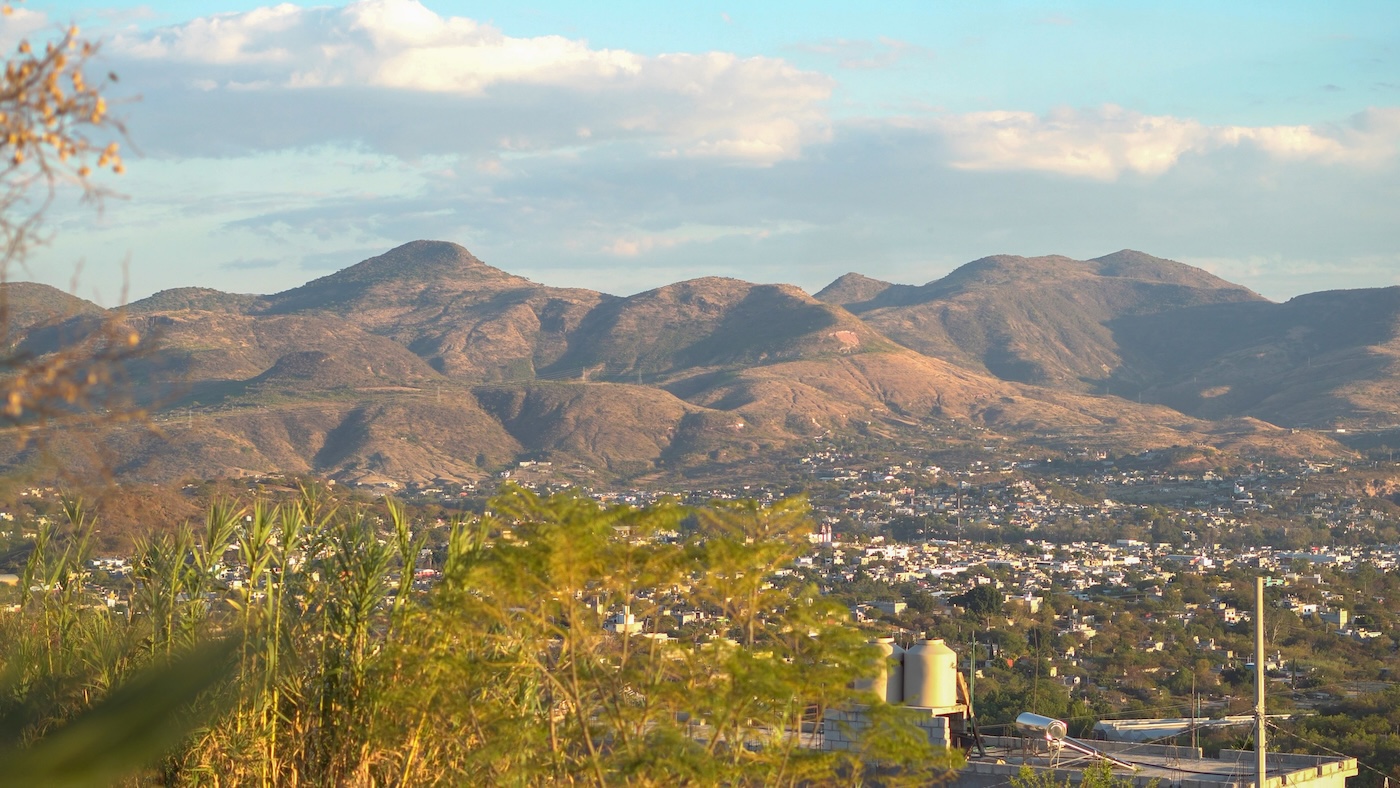
TheMixtec is a historical and cultural region in southern Mexico. It extends over parts of what are now the states of Oaxaca, Puebla and Guerrero. However, their influence is particularly great in Oaxaca, where many towns and villages have retained a strong Mixtec identity to this day.
The landscape of the Mixteca is harsh, mountainous and dry. Many places are remote between hill ranges and valleys. It is precisely this geographical isolation that contributed to this, that numerous traditions have been preserved over the centuries.
The name “Mixteca” comes from the Aztec language and roughly means “land of clouds” or “place of the Mixtecs”.. However, people call themselvesYou know – “People of the Rain”.
Huajuapan de León is located in the so-calledMixteca Baja, the one deeper down, drier area and is considered one of its most important urban centers.
The Mixtecs – one of the great cultures of Mesoamerica
Long before the Spanish came to Mexico, The Mixtecs had lived in the region for centuries. Their culture is one of the most important civilizations in Mesoamerica - alongside the Maya and Aztecs.
The Mixtecs were excellent craftsmen, Goldsmiths and artists. Their artfully designed codices – hand-painted books made from animal skin or plant fibers – became particularly famous, in which history, Religion and ruling lines were recorded.
They were also well organized politically. Different city-states competed with each other, made alliances or fought wars. A legendary figure of this time was Eight Deer Jaguarclaw, a ruler, the one in 11. Century united large parts of the Mixteca.
Archaeological traces of this period can still be found in the region today - temple complexes, Ceramics and old ceremonial sites are a reminder of the long history of the Mixtecs.
Huajuapan in colonial times
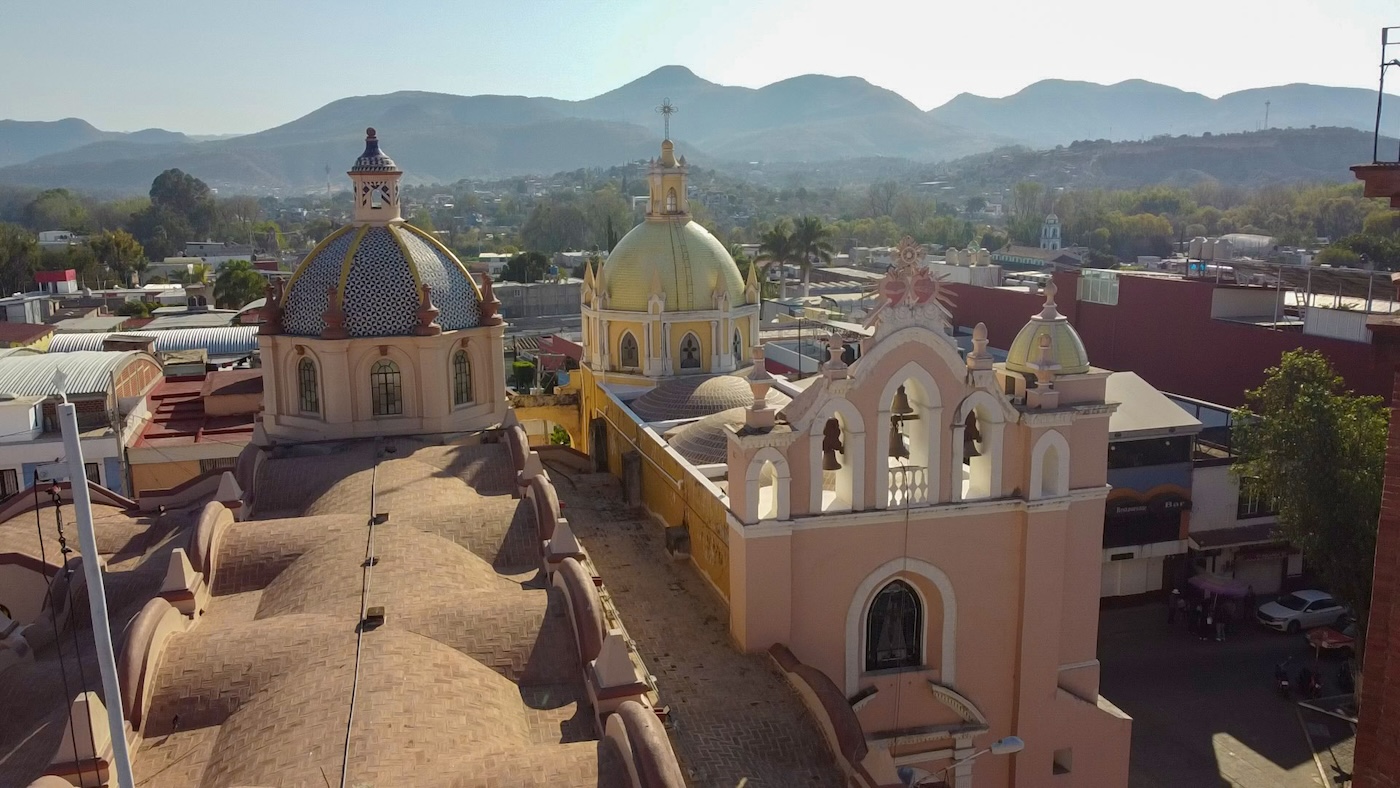
With the arrival of the Spaniards 16. In the 19th century, life in the Mixteca changed fundamentally. Churches were built, Catholic missionaries came to the region and the Spanish crown established its rule.
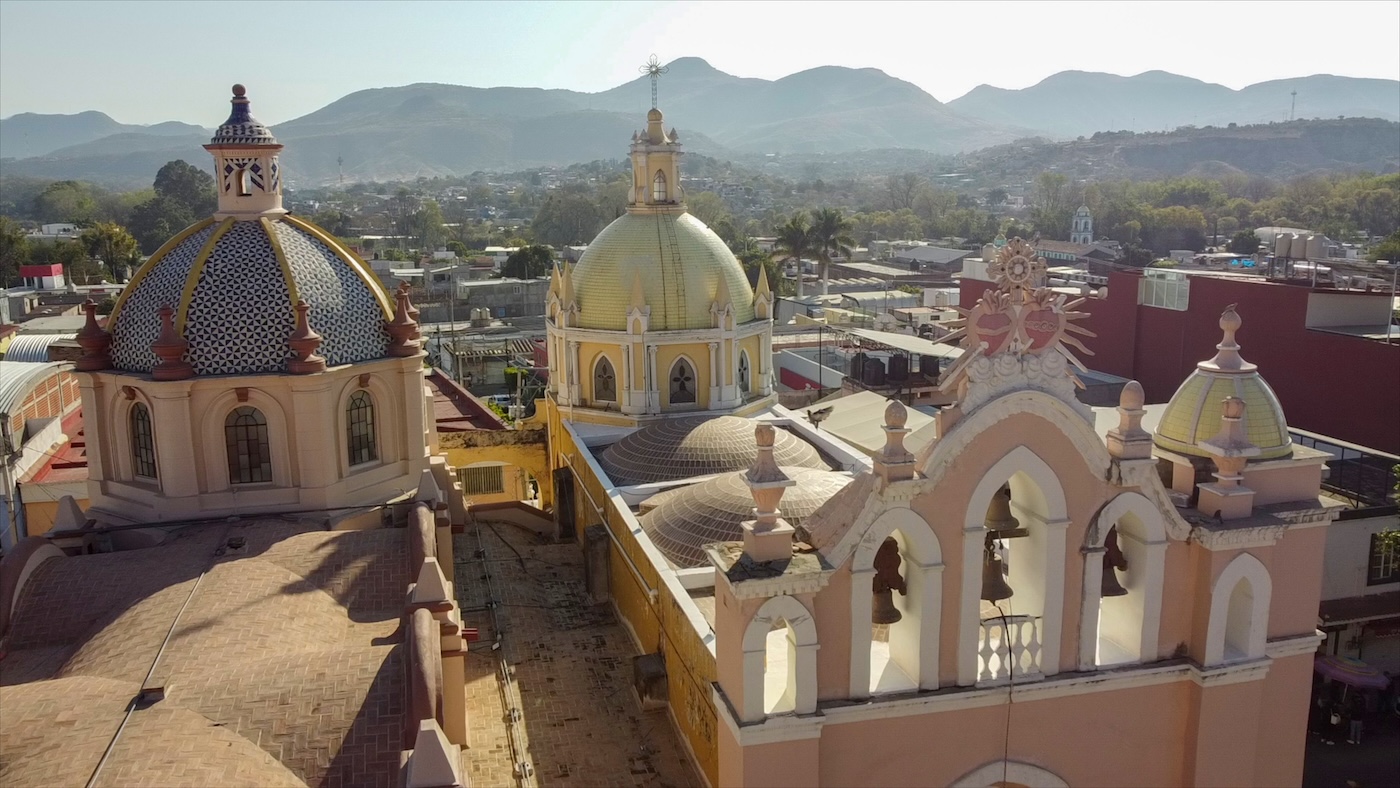
Colonial buildings and new administrative structures also emerged in Huajuapan. Nevertheless, indigenous traditions never completely disappeared. Instead, a mixture of indigenous and Spanish culture developed over the centuries.
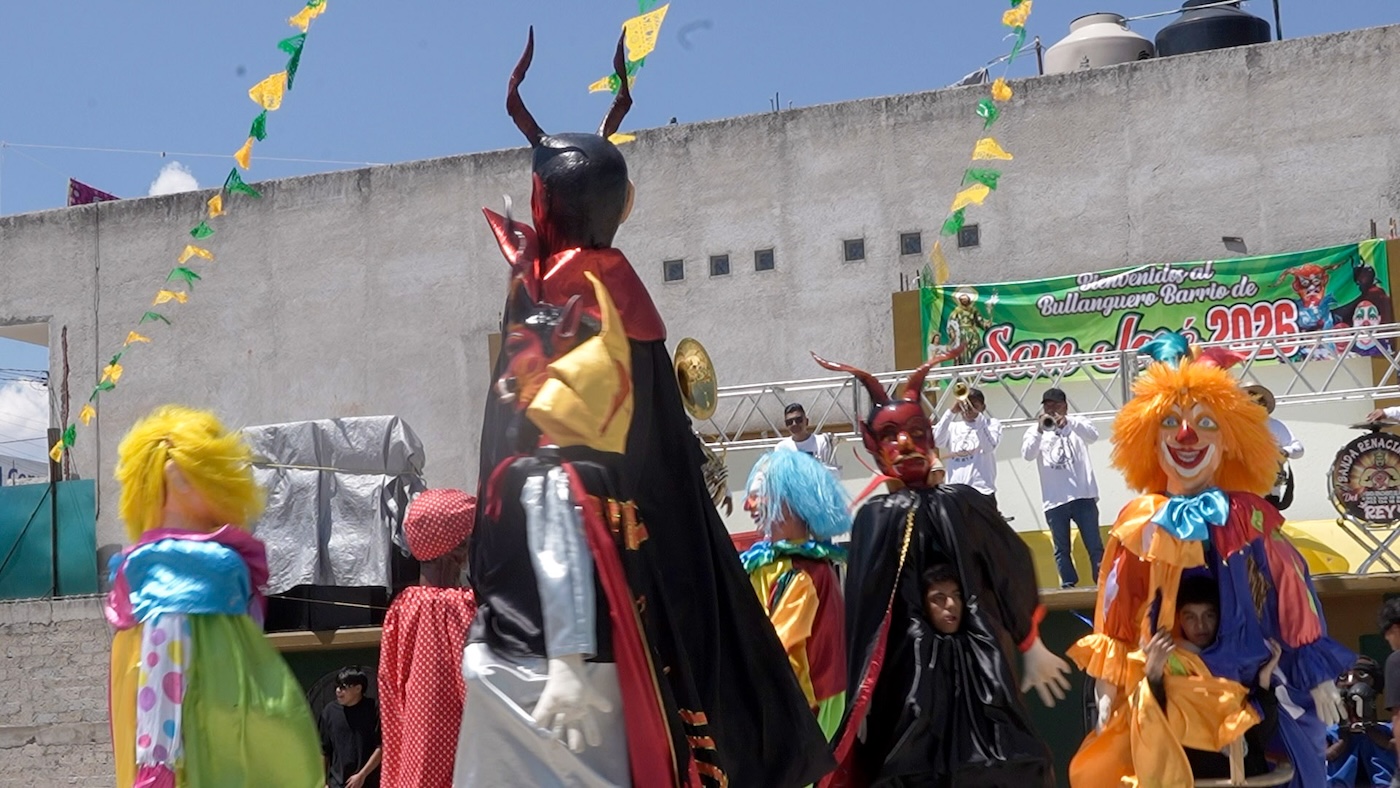
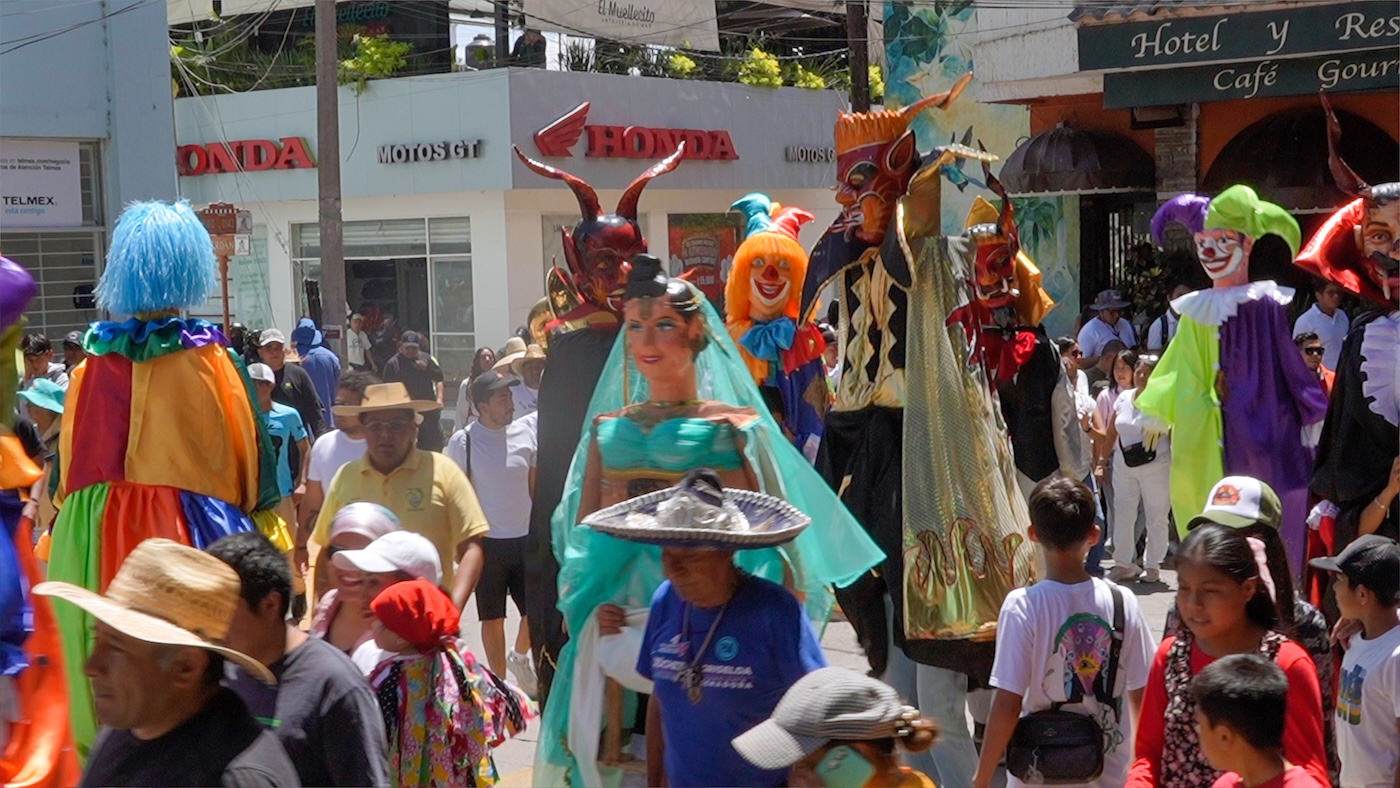
Many religious festivals in Oaxaca continue to demonstrate this cultural syncretism to this day: Catholic saints are celebrated, At the same time, old indigenous rituals and ideas are preserved.
Huajuapan also played an important role during the Mexican War of Independence. The siege of the city in the year is particularly well known 1812, when the freedom fighter Valerio Trujano defended the city against Spanish troops for months. This event is still part of the local identity today.
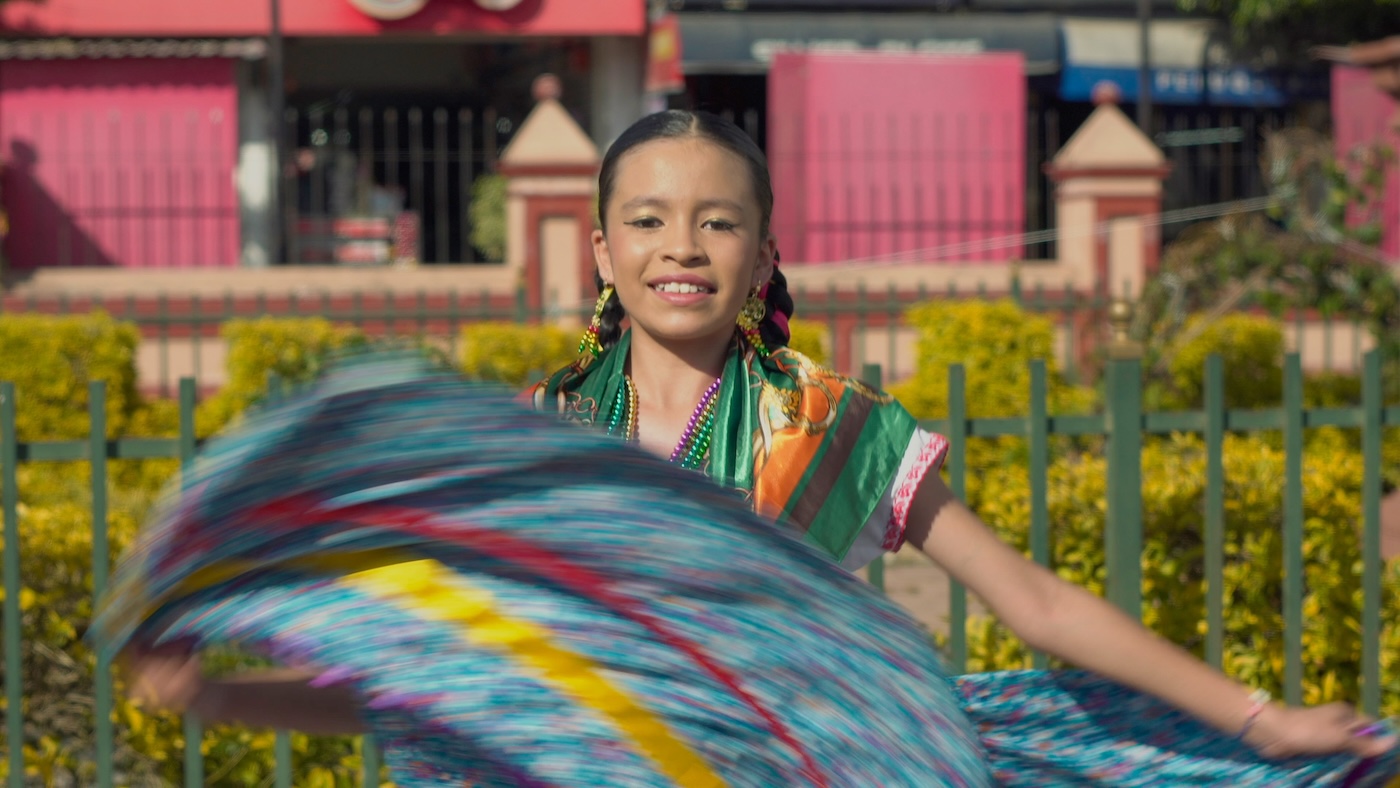
The Jarabe Mixteco – dance as cultural memory
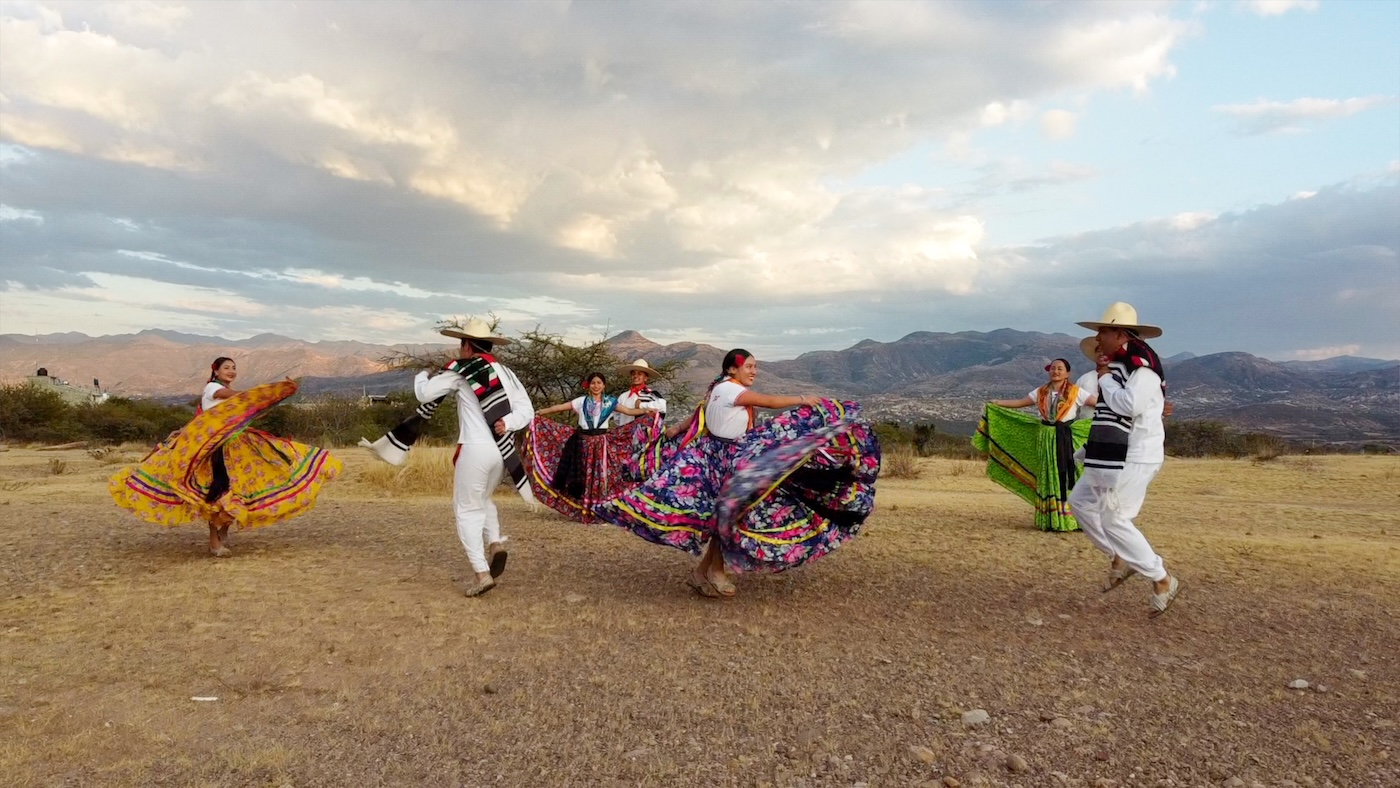
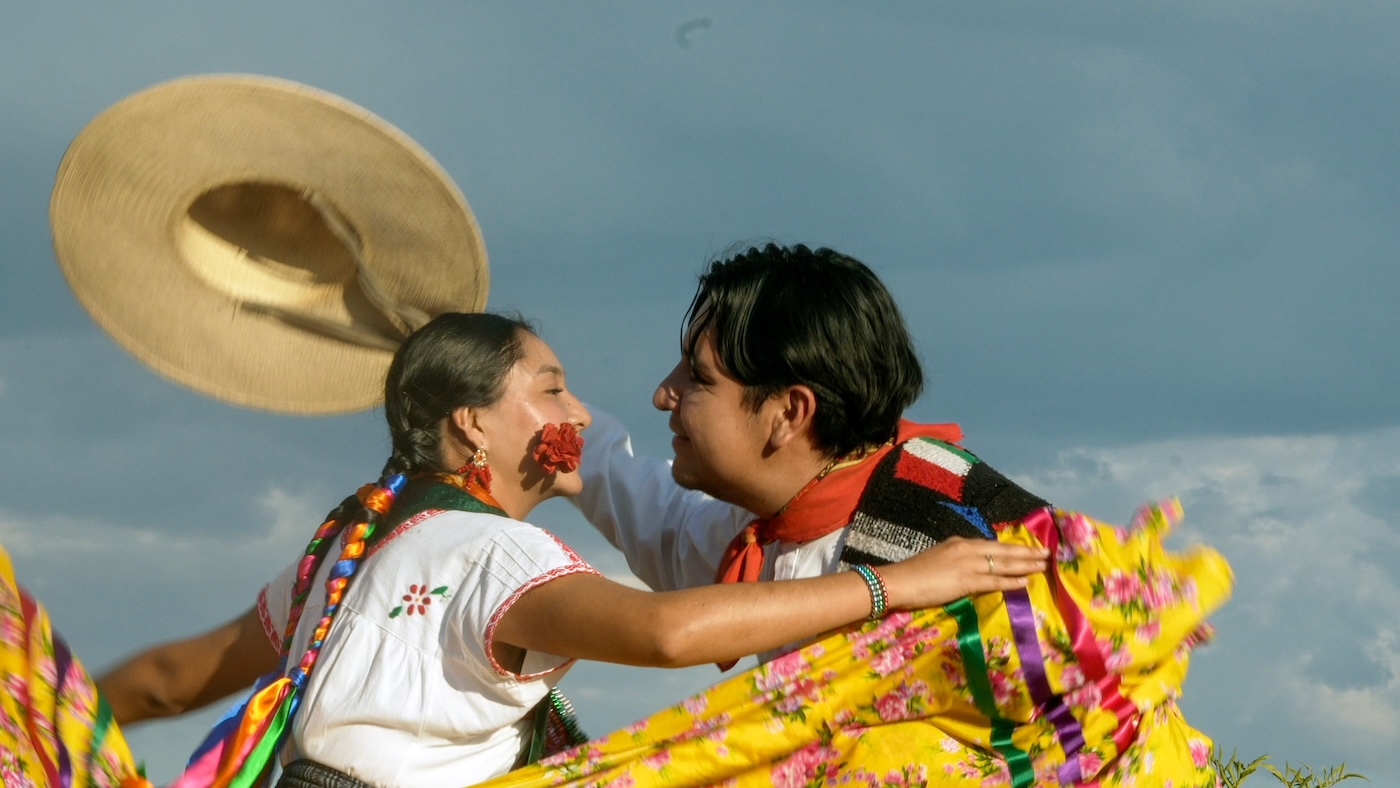
If there is a cultural symbol for Huajuapan, then it's the Jarabe Mixteco.
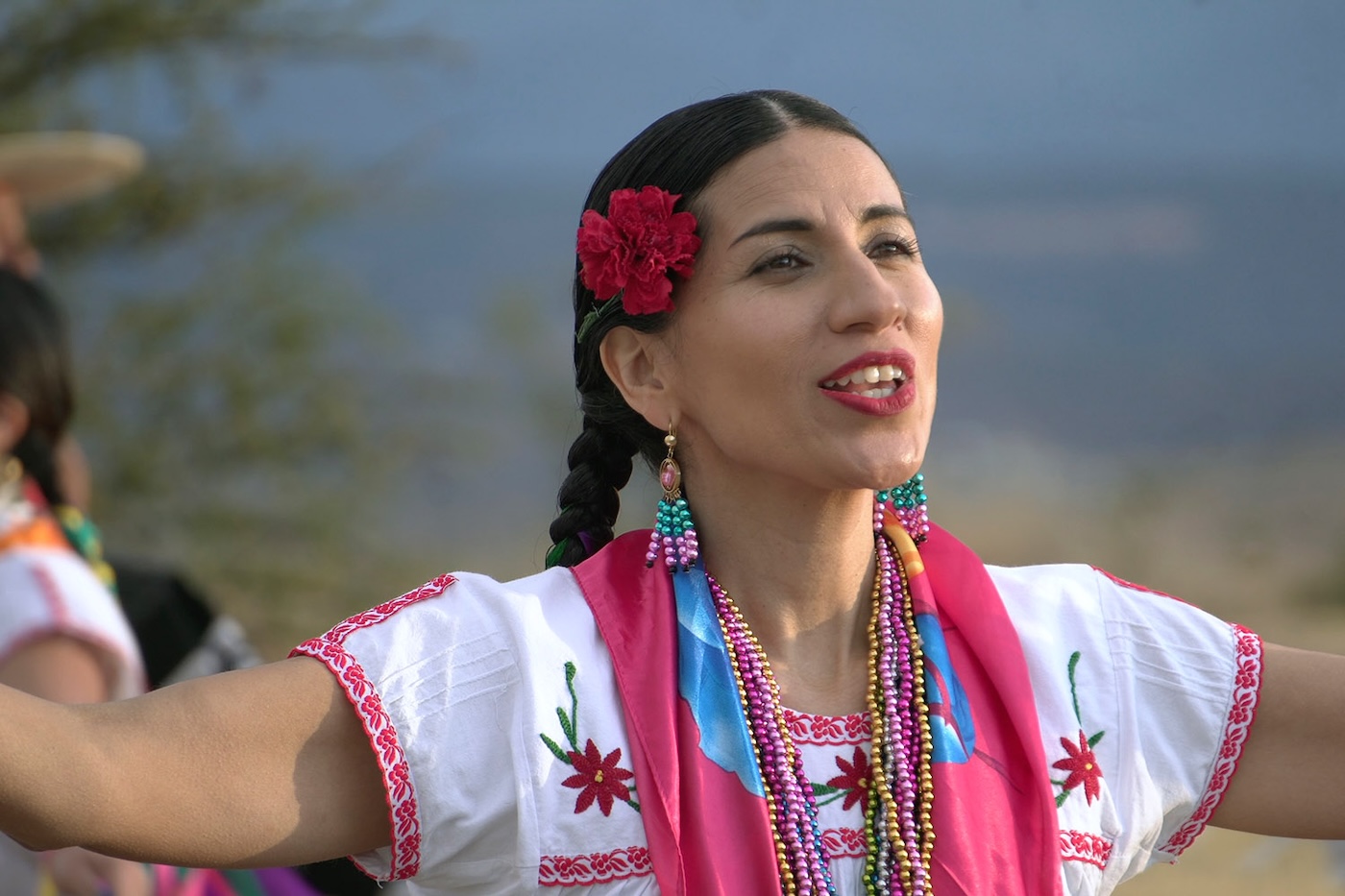
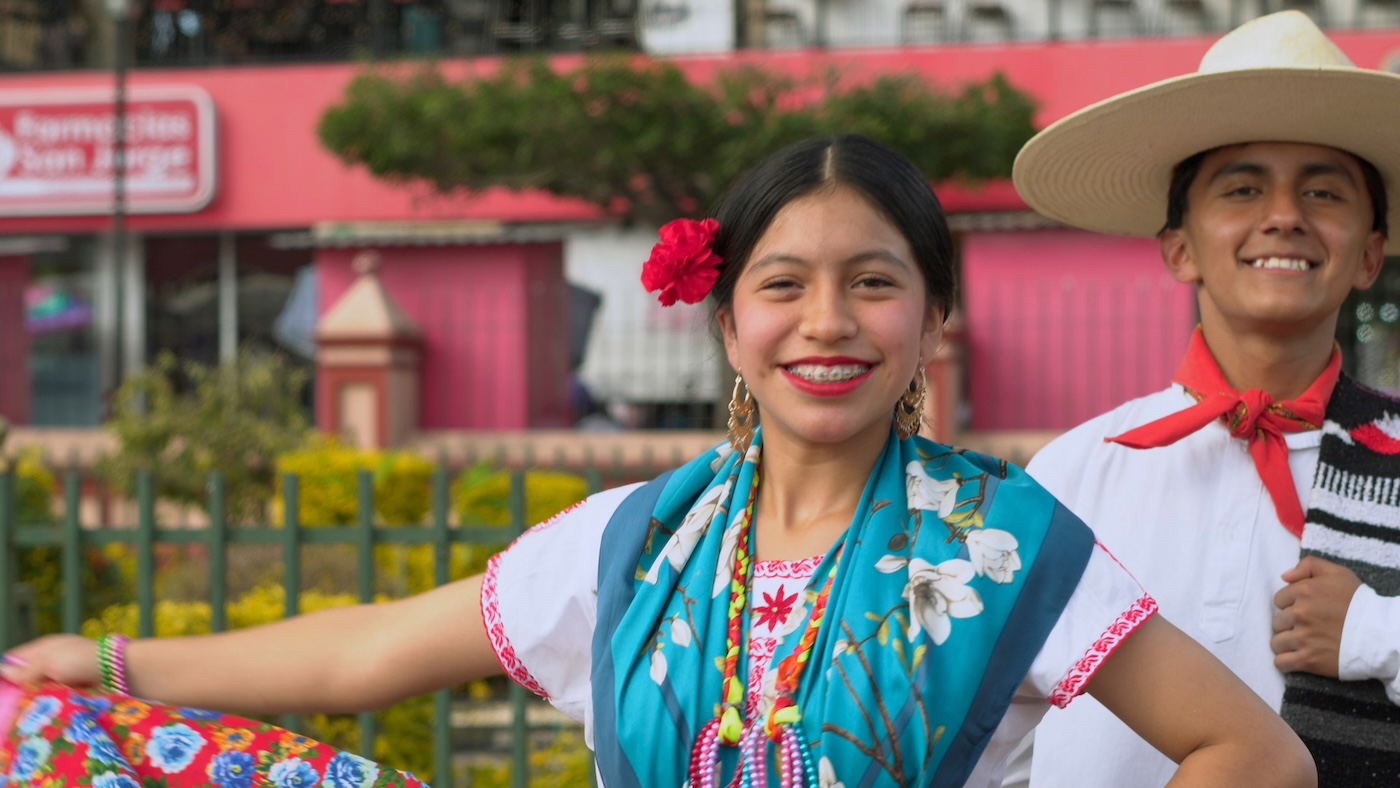
Traditional dance combines music, Clothing and stories of the region. The dancers' colorful dresses are typical, which are often decorated with regional embroidery. The dancers wear elegant suits and sombreros – a visible influence of Spanish fashion.
Musically and choreographically, indigenous rhythms merge with European dance forms. That's exactly why the Jarabe Mixteco is considered a perfect example of this, how different cultures grew together in Oaxaca.
The dance is particularly famous during the Guelaguetza in Oaxaca City. Delegations from different regions present their dances and traditions there - and the Jarabe Mixteco is one of the highlights every year.

Between tradition and modernity
Today Huajuapan de León is a modern city with universities, shops, Transport connections and growing infrastructure. At the same time, the connection to traditional culture remains strong.
Many families have relatives, who work in Mexico City or the USA. Migration has shaped the region for decades. This brings new ideas and economic opportunities, but also leads to this, that life changes.
Nevertheless, many traditional elements are even experiencing a new appreciation. Young people are becoming more interested in indigenous languages again, regional cuisine or traditional music. Culture is increasingly seen as something, that can be preserved and developed further at the same time.
This is particularly evident in Huajuapan, that modernity does not automatically mean, to leave the past behind. Instead, an identity emerges, that connects several worlds at the same time.